



Japanese Tools Australia – Premium Japanese Tools for Woodworking, Gardening & Kitchen
Explore the full range of authentic Japanese tools available at Japanese Tools Australia, featuring high-quality, precision-crafted tools for woodworkers, gardeners, chefs, and craft enthusiasts. Our collection includes hand planes, chisels, saws, sharpening stones, knives, gardening tools, and specialty workshop accessories, all made in Japan by skilled artisans renowned for their craftsmanship, durability, and performance.
Each tool in our collection is carefully selected for quality and reliability, combining traditional Japanese techniques with modern engineering to ensure long-lasting sharpness, precision, and ease of use. Whether you’re shaping fine furniture, maintaining a garden, or preparing culinary masterpieces, our Japanese-made tools help you achieve professional-quality results with every project.
Perfect for professional craftsmen, hobbyists, and home chefs, Japanese Tools Australia offers tools that are ergonomically designed, durable, and built to perform. Every product reflects the heritage, attention to detail, and superior quality that Japanese tools are celebrated for worldwide.
Shop Japanese Tools Australia for authentic, premium Japanese tools—where precision, craftsmanship, and reliability come together to elevate your woodworking, gardening, and kitchen projects.


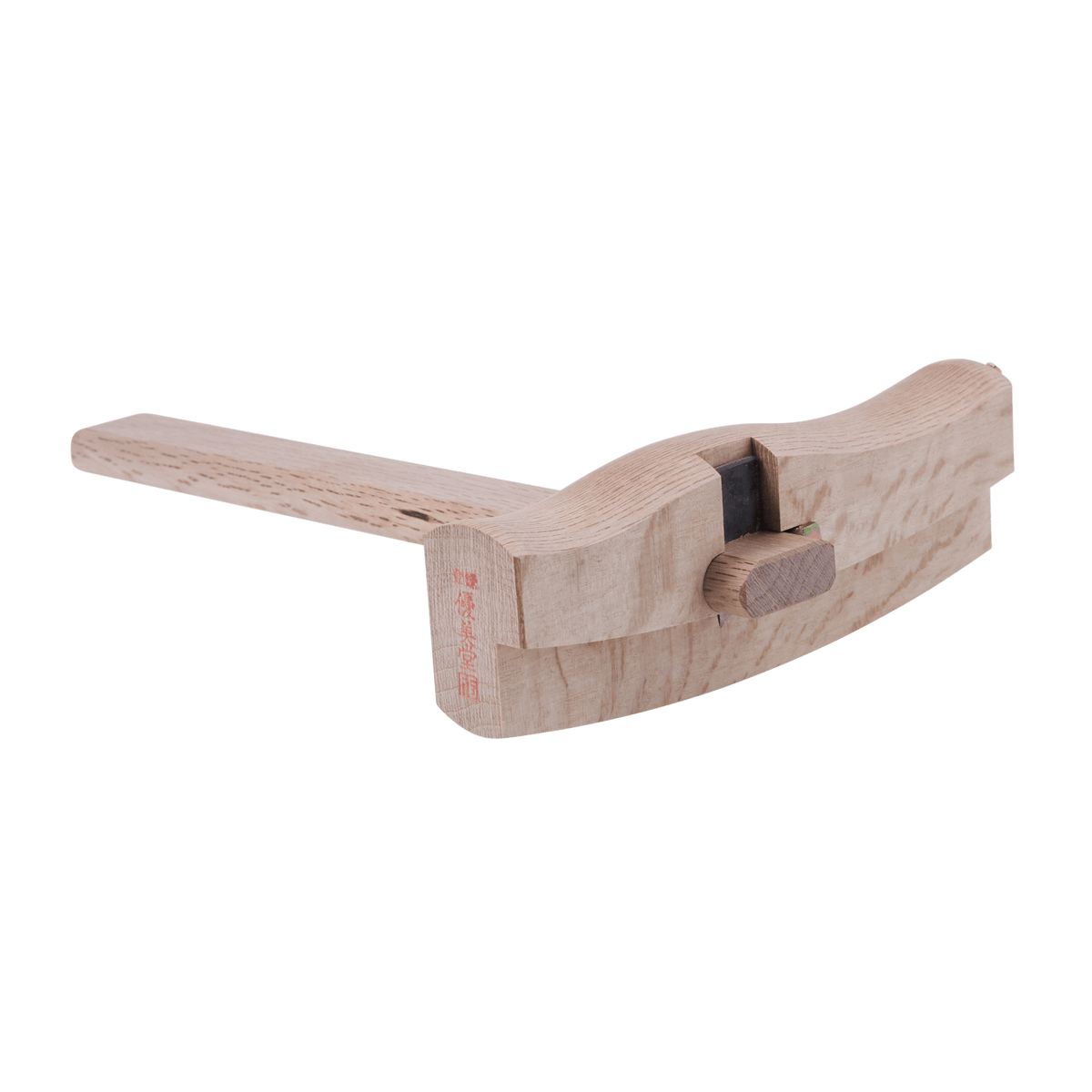
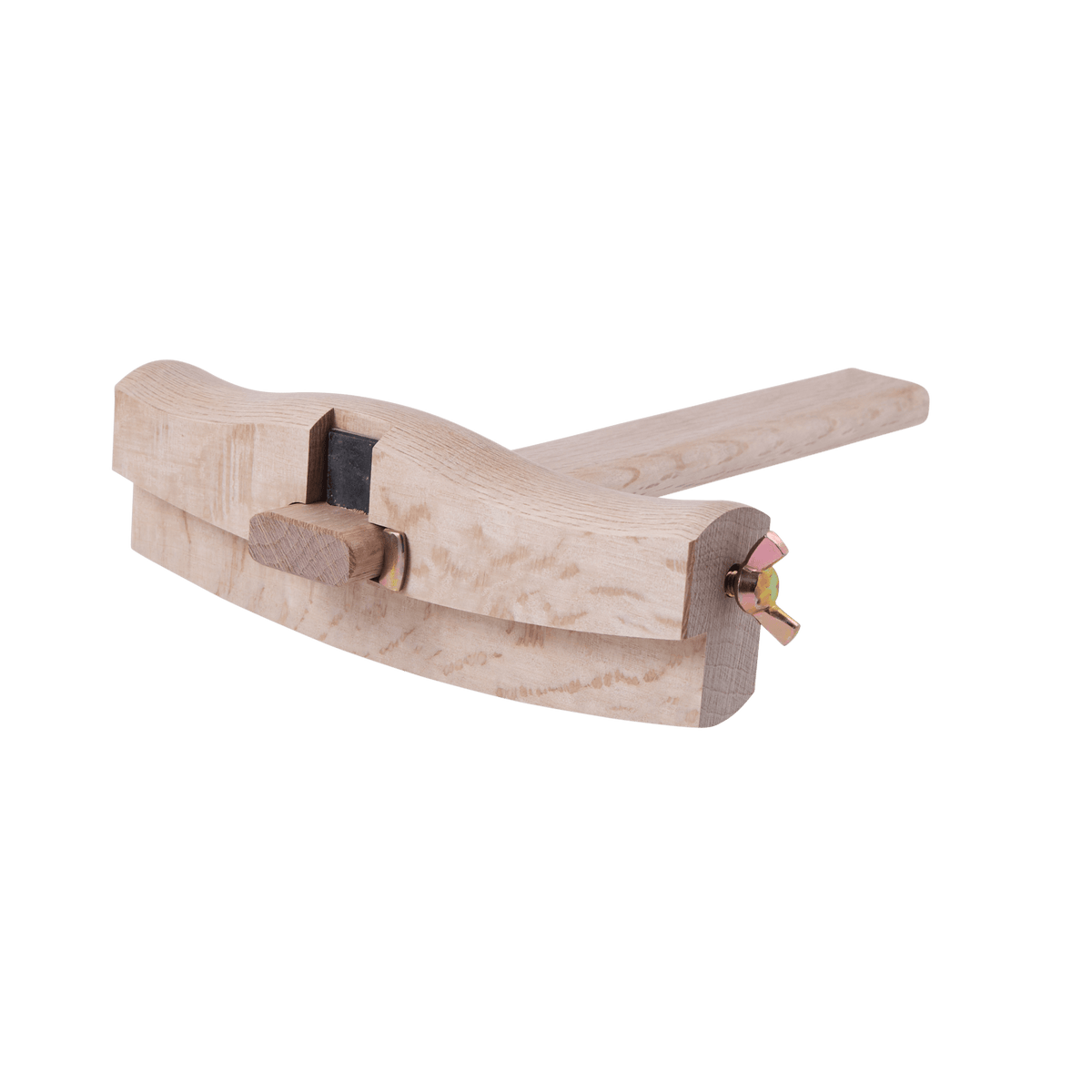
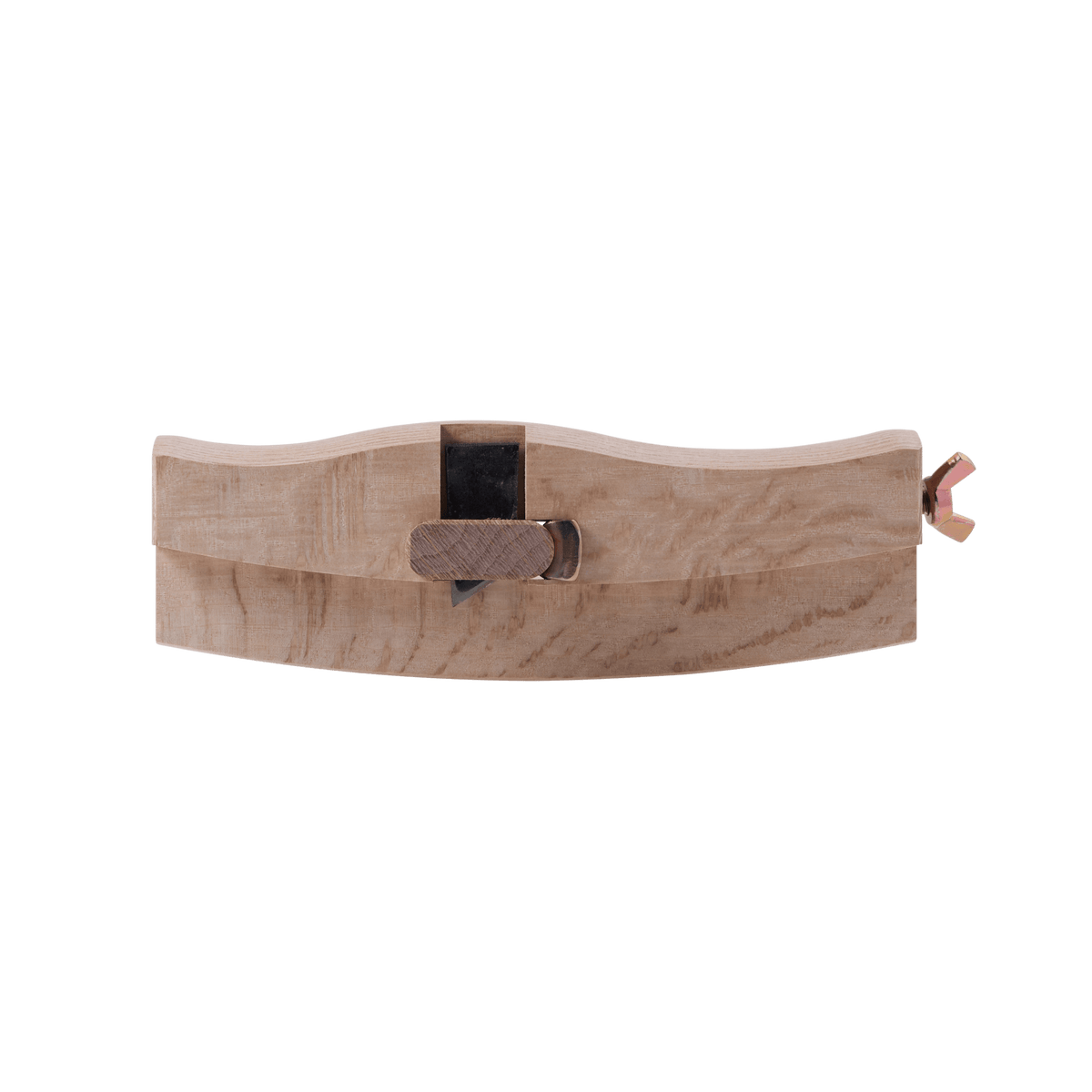
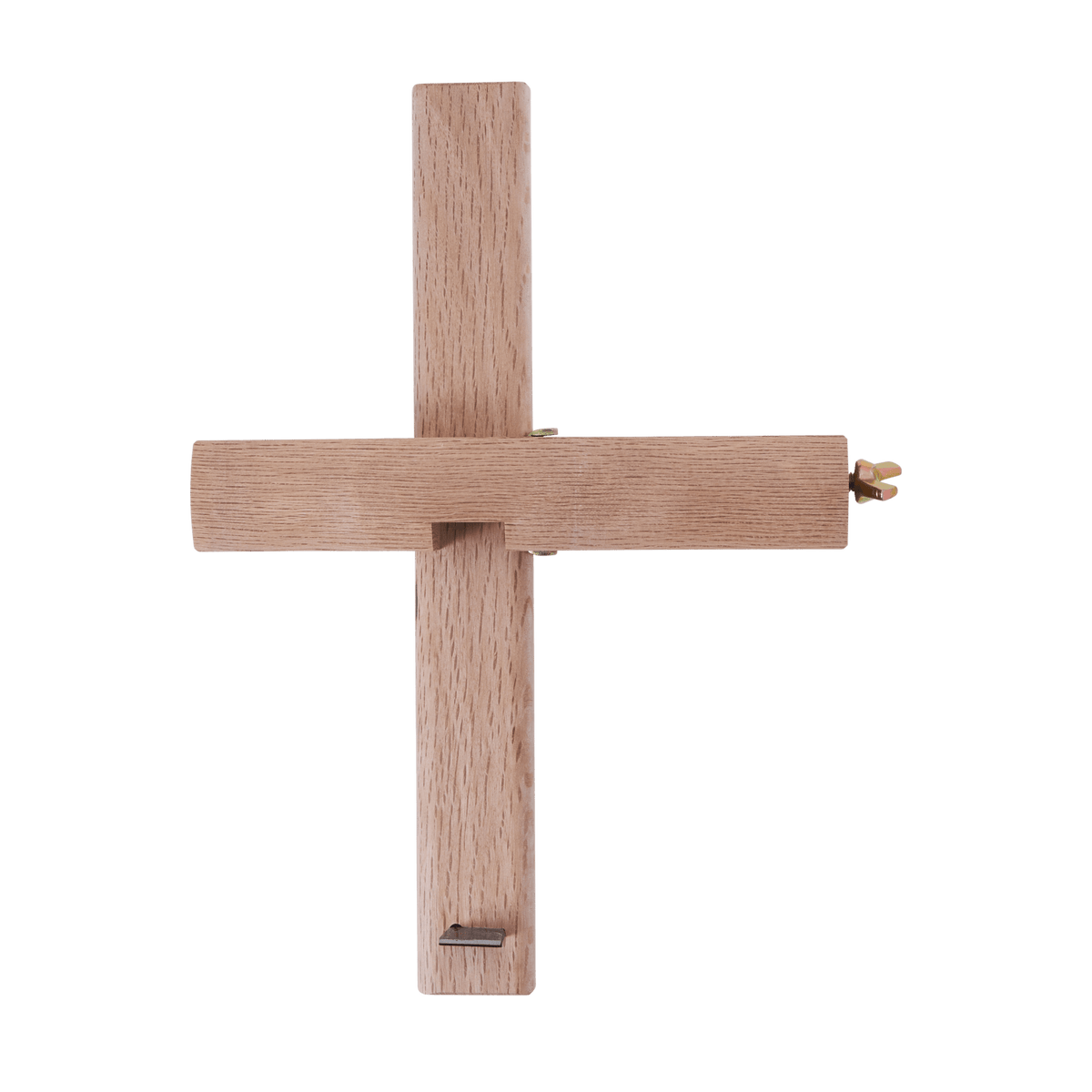
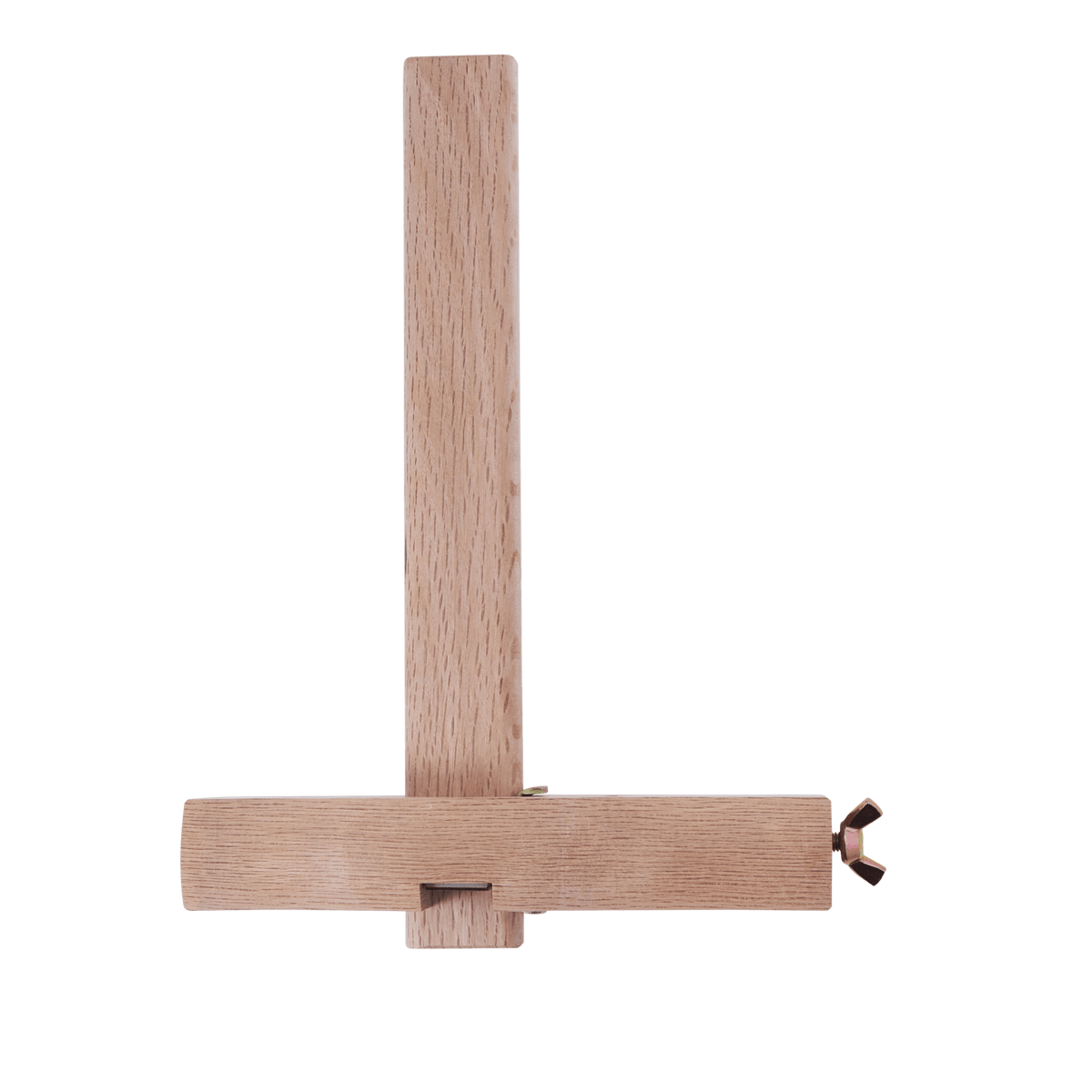
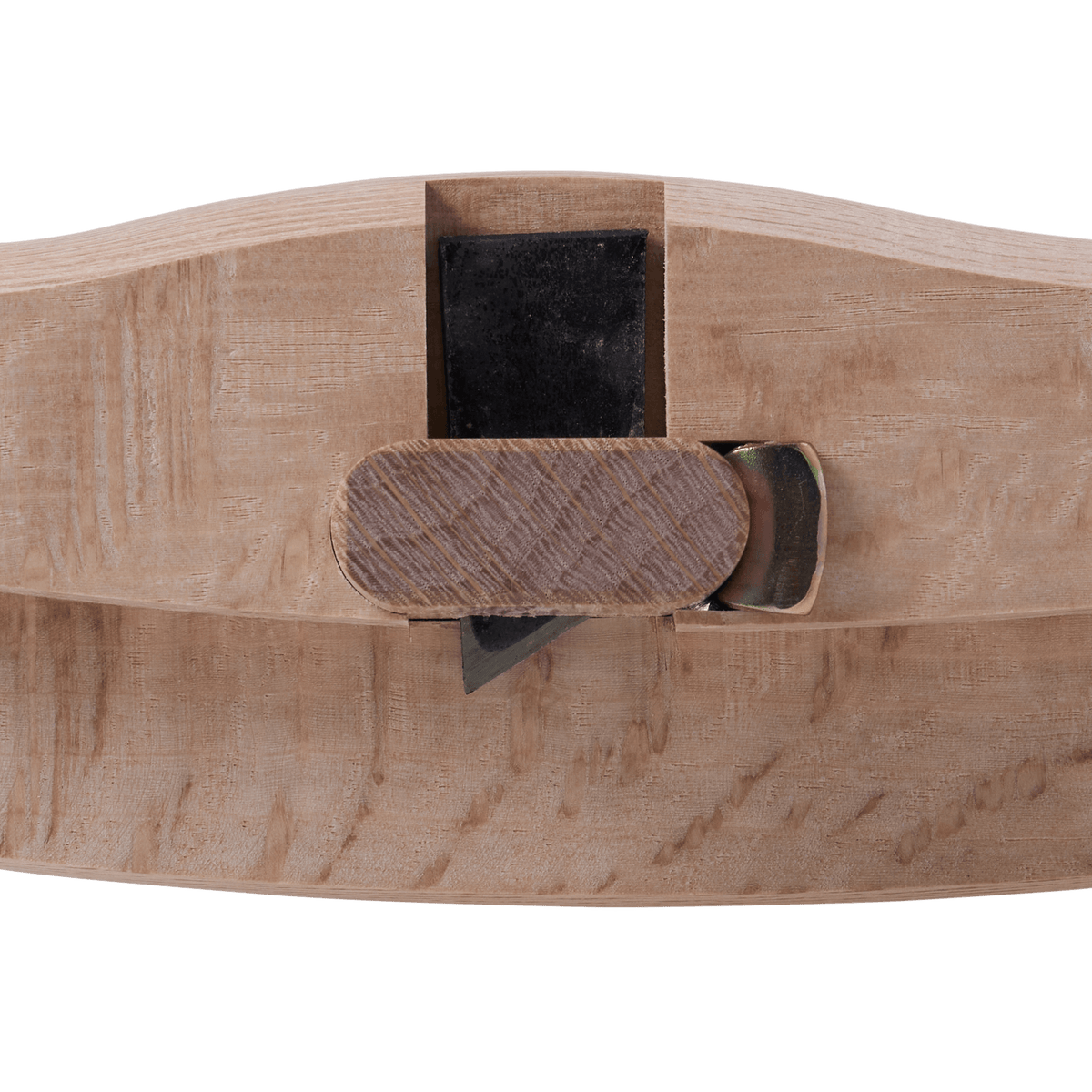
Wari-Kebiki Splitting Gauge
Wari-Kebiki Splitting Gauge

The Wari-Kebiki is an indispensable tool for Japanese shoji-screen makers, who use it to split the material for kumiko strips from wide, thin boards.
The maximum thickness of timber that the Wari-Kebiki can split is about 15-18mm when working in softwoods, or 3-5mm when working in furniture hardwoods.
According to Toshio Odate's Japanese Tools - Their Tradition, Spirit and Use, there are certainly best practices to follow when using the wari. For example, after splitting a piece off a larger board, the edge of the larger board needs to be planed straight before taking another piece.
The first pass with the wari also needs to be light, in order to establish a cut for the following heavier passes to follow. In this way, the blade can be prevented from simply following the grain of the timber.


