



Japanese Hand Planes by Tachibana – Traditional Kanna Craftsmanship Made in Japan
Experience the refined performance of Japanese hand planes by Tachibana, expertly made in Japan using time-honored kanna-making traditions. Renowned for their exceptional sharpness, precision, and surface finish, Tachibana planes are trusted by professional woodworkers and dedicated craftsmen who value control, accuracy, and flawless results.
Each Tachibana Japanese hand plane features a high-quality laminated steel blade forged for superior edge retention and effortless sharpening. Paired with a carefully shaped Japanese white oak (or hardwood) body, these planes offer outstanding stability and tactile feedback, allowing for ultra-thin shavings and beautifully smooth surfaces.
Ideal for fine woodworking, furniture making, joinery, cabinetry, and finish planing, Tachibana hand planes excel in tasks where precision matters most. As with all traditional Japanese planes, they are designed to be tuned by the user, creating a deeper connection between craftsman and tool—and performance that improves over time.
Elevate your woodworking with authentic Japanese hand planes by Tachibana—where heritage craftsmanship, premium materials, and precision engineering come together to deliver unparalleled surface quality.


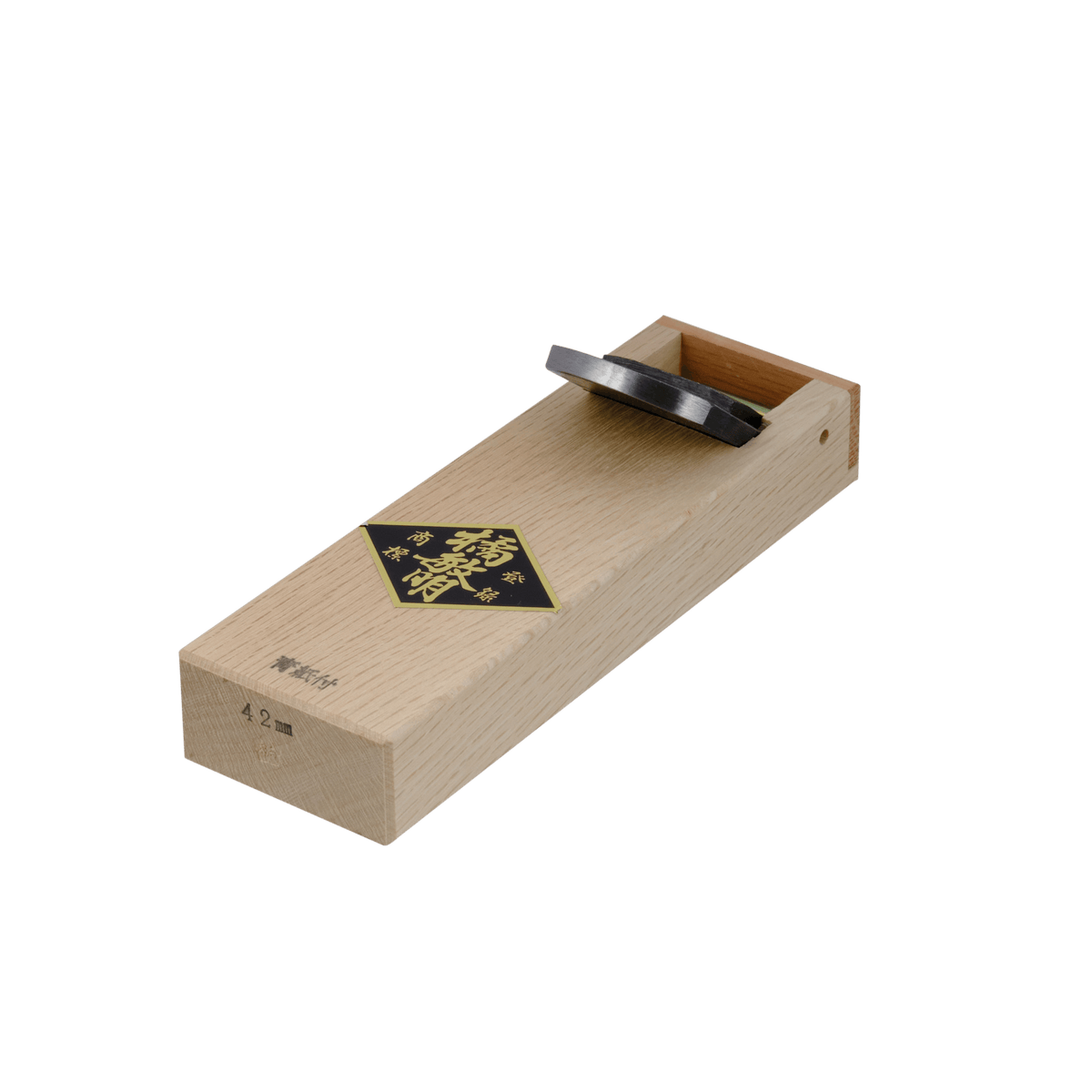
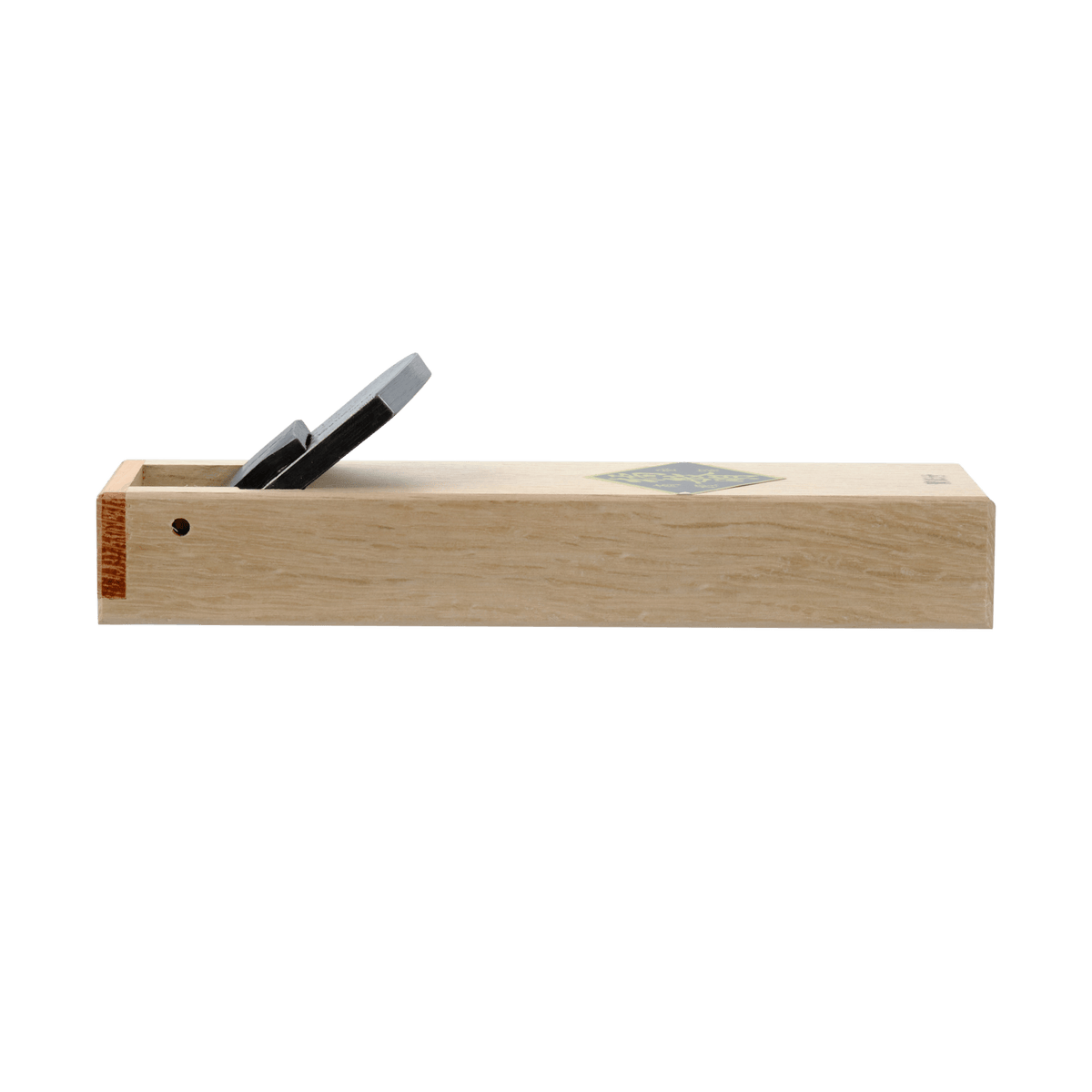
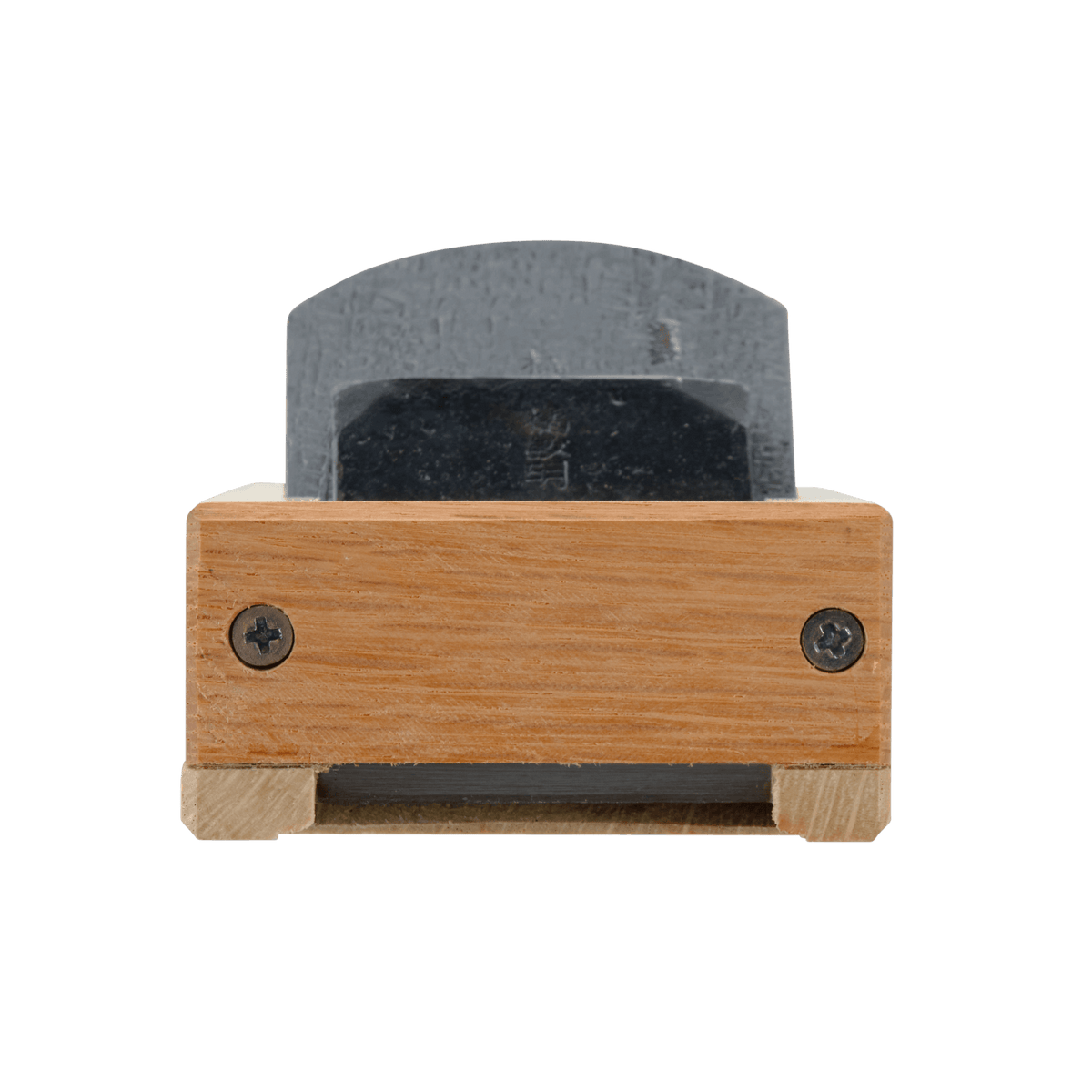
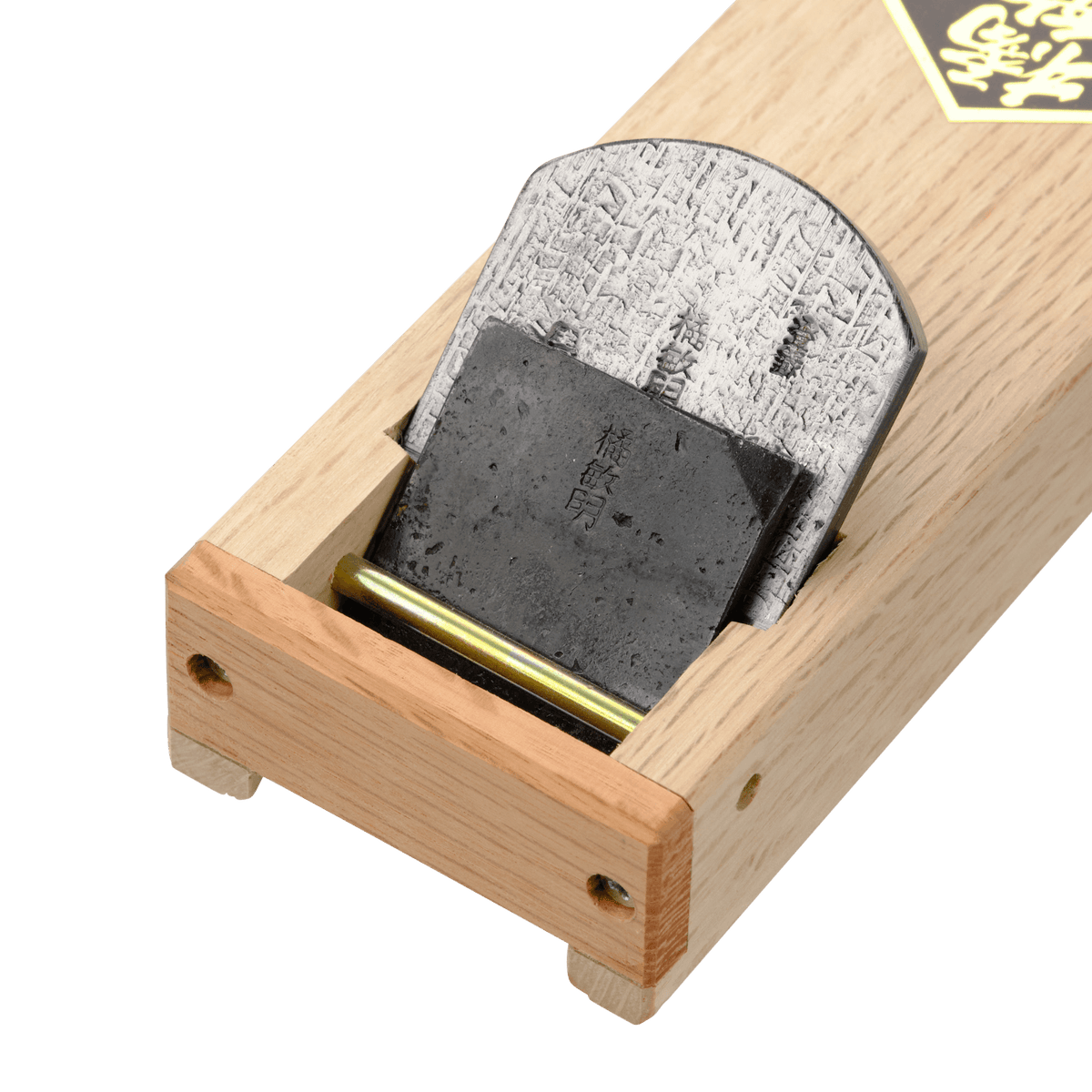
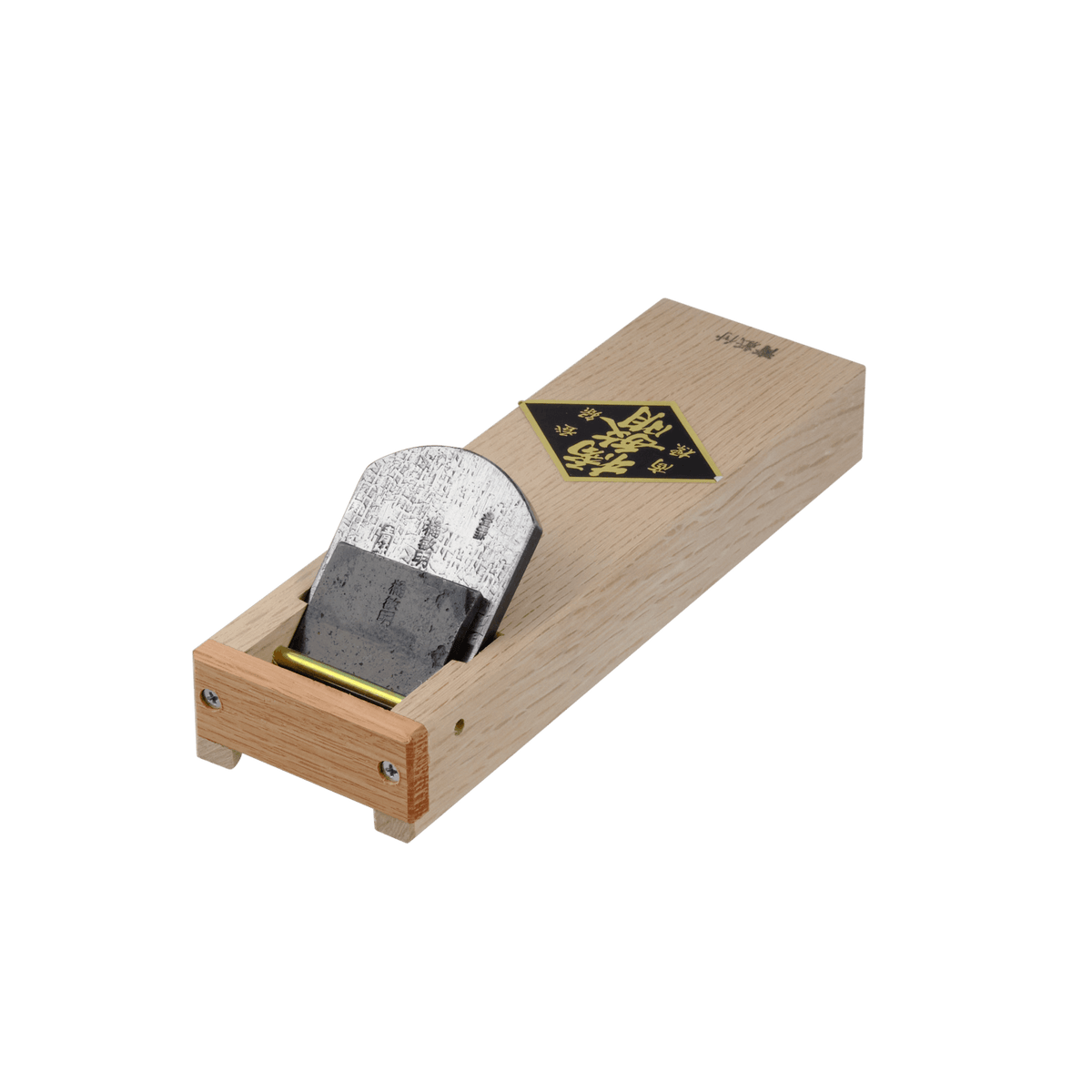
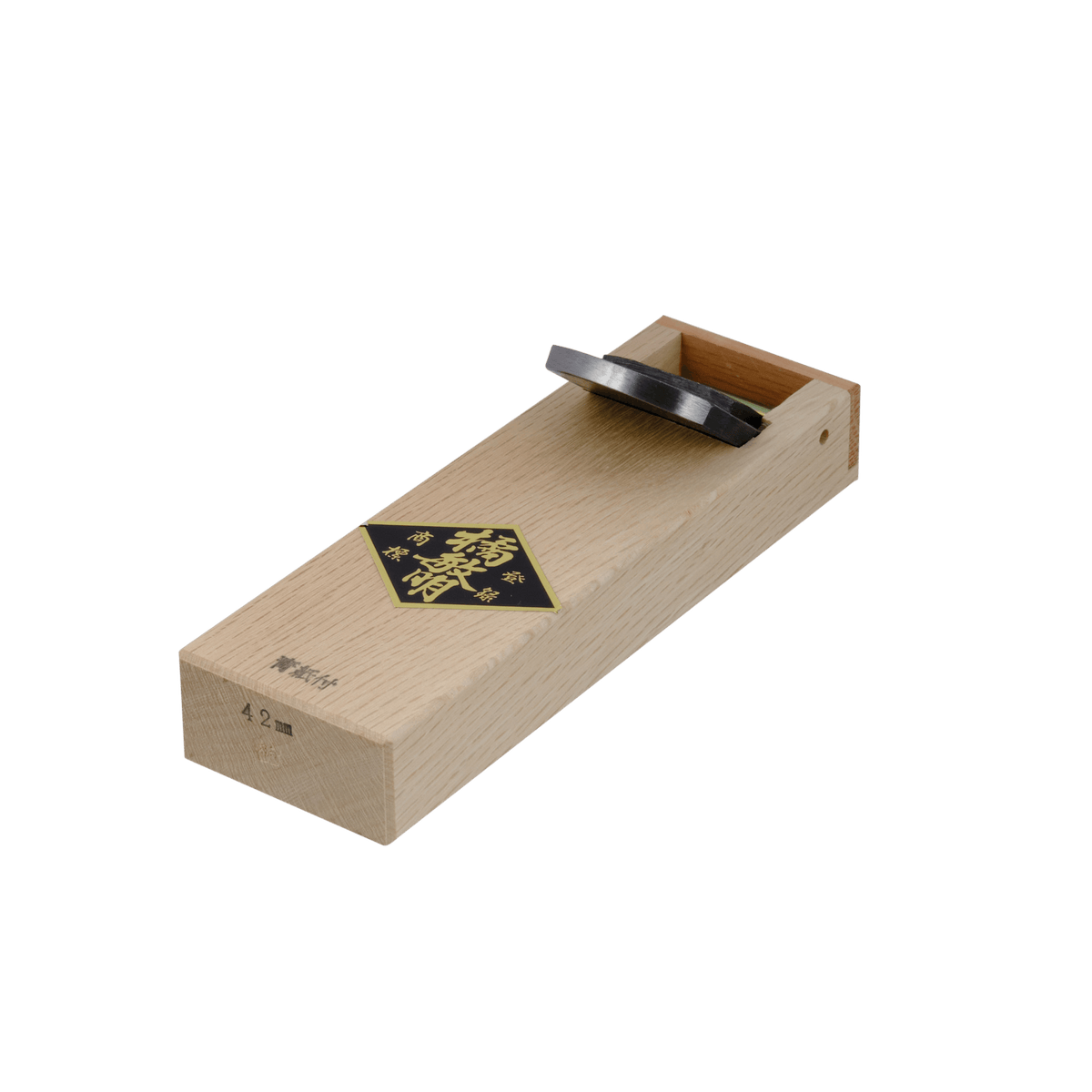
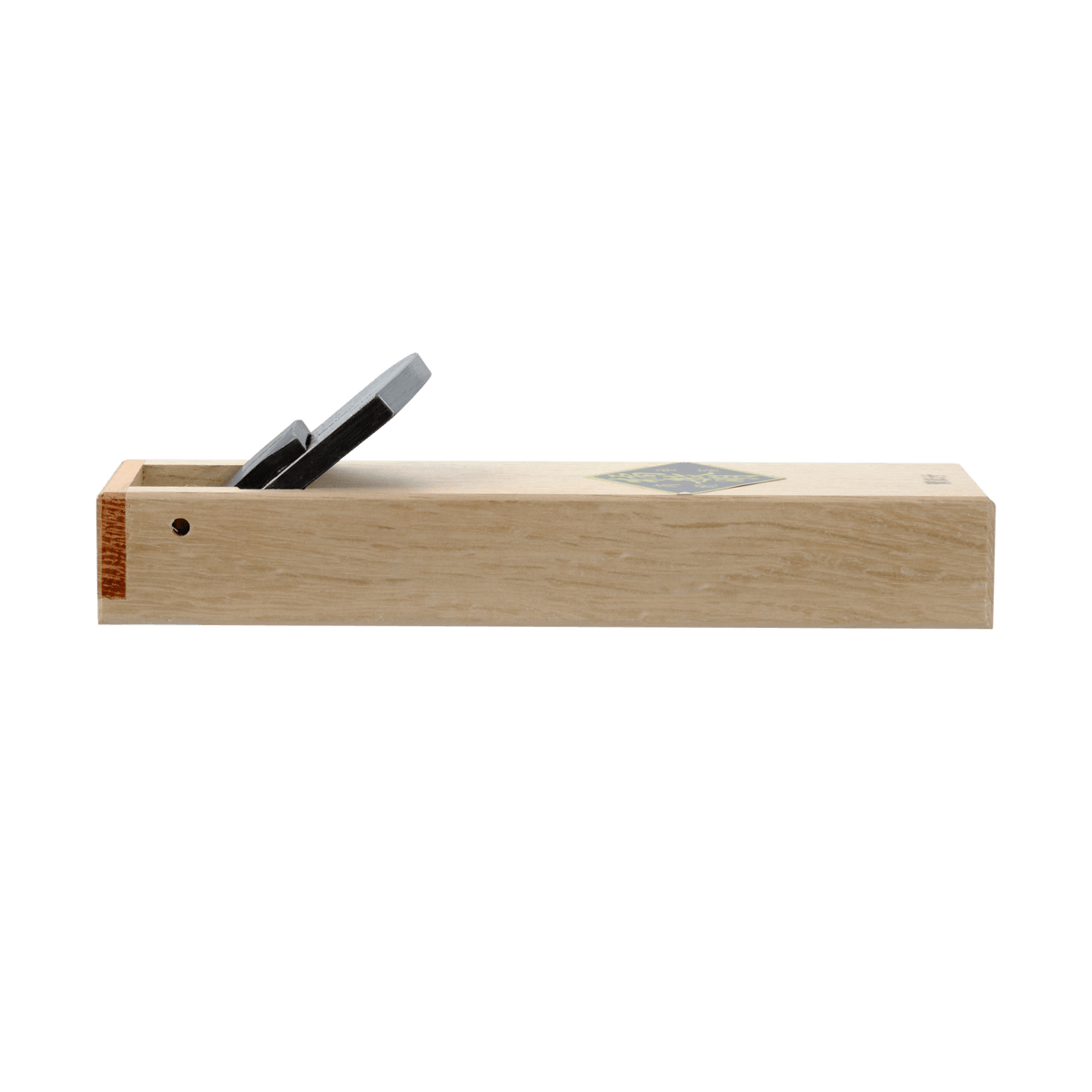
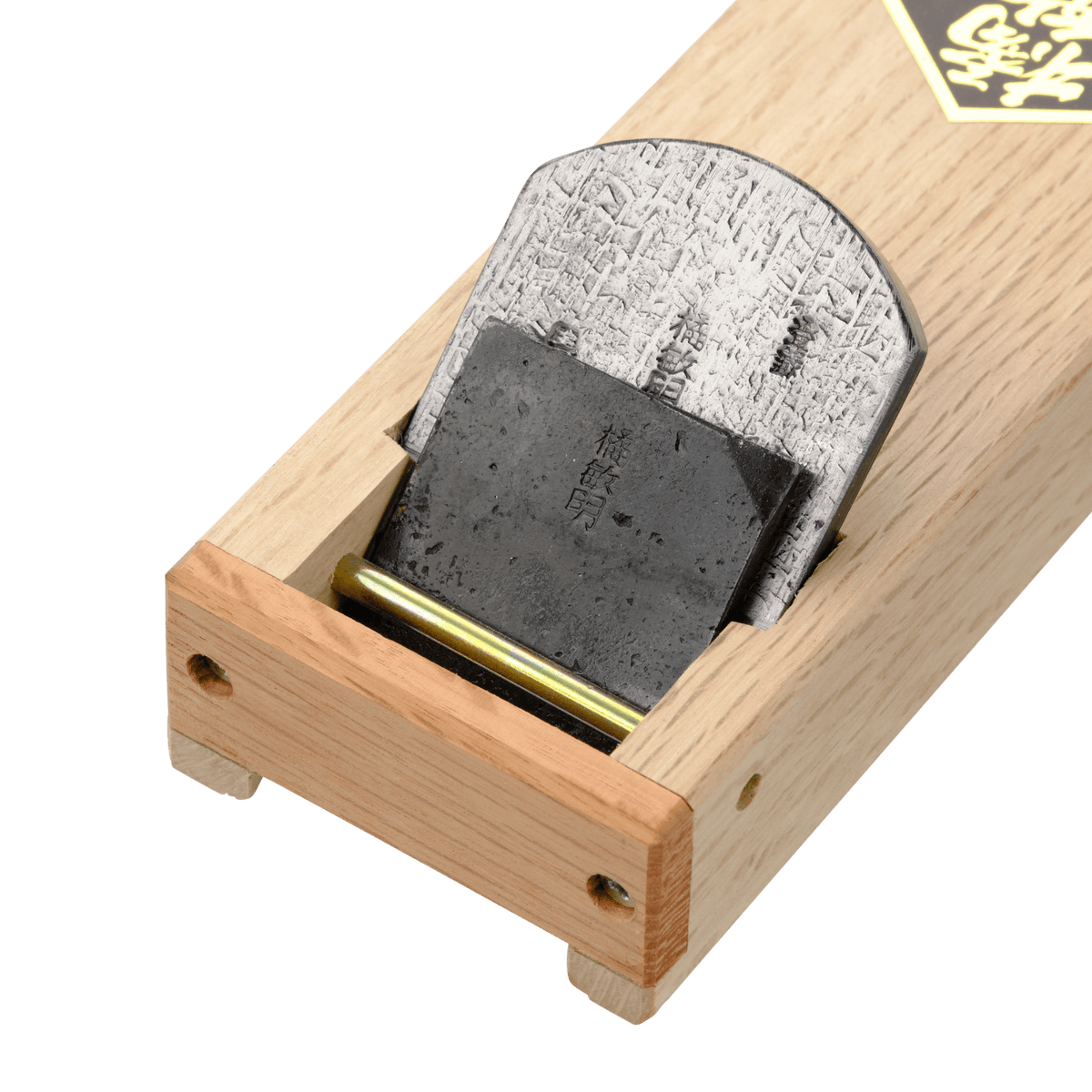
Sumitukiganna Corner (Bullnose) Plane
Sumitukiganna Corner (Bullnose) Plane

Not sure which plane you need?
Compare every Japanese plane by type, blade width and maker, with a size guide and setup help. Free Ryuzo hammer with any plane $150+.
Find your planePerfect for planing right into a corner, the sumitukiganna (we're happy to call it a Bullnose plane) lends itself to making final adjustments to sills, the insides of frames and assembled pieces of furniture.
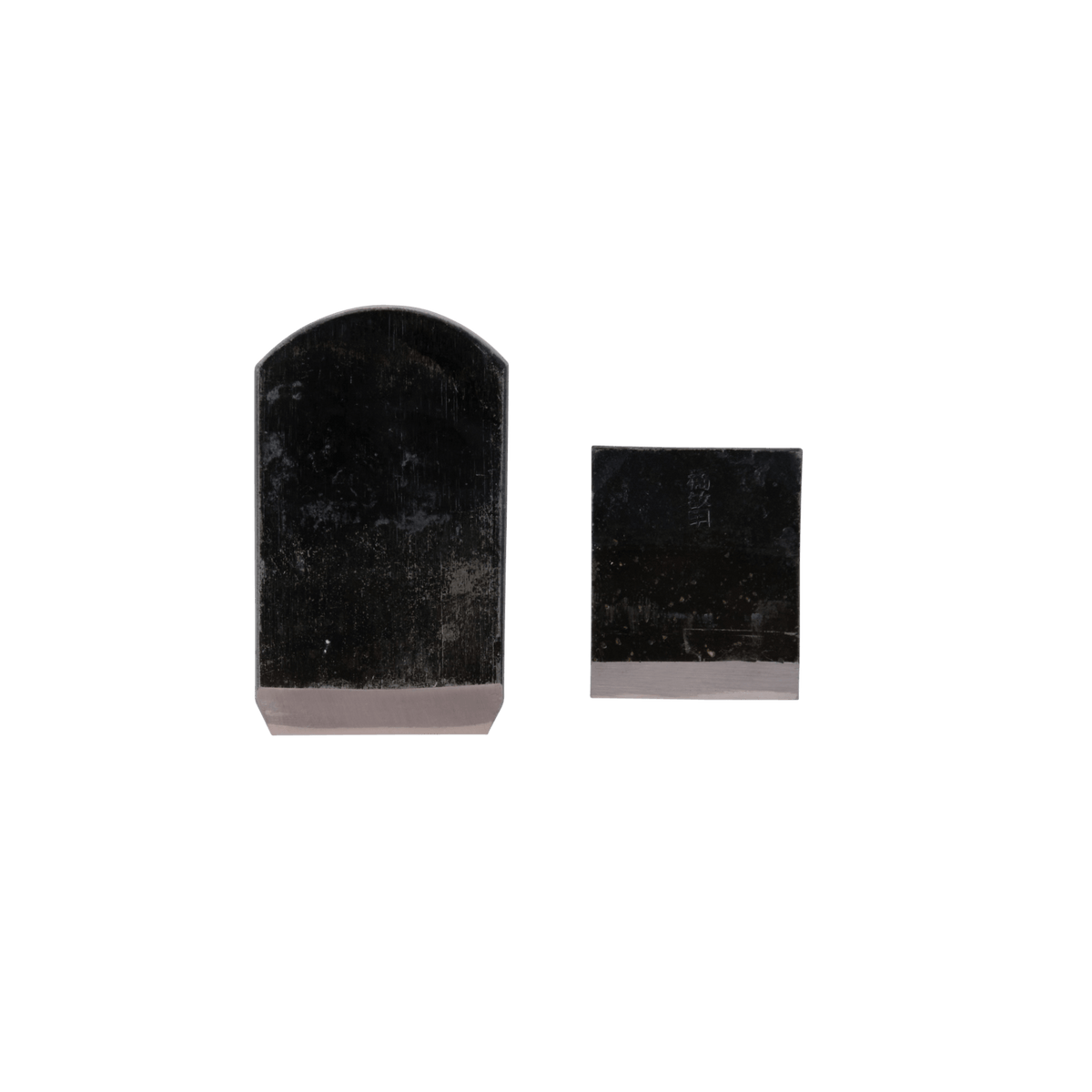
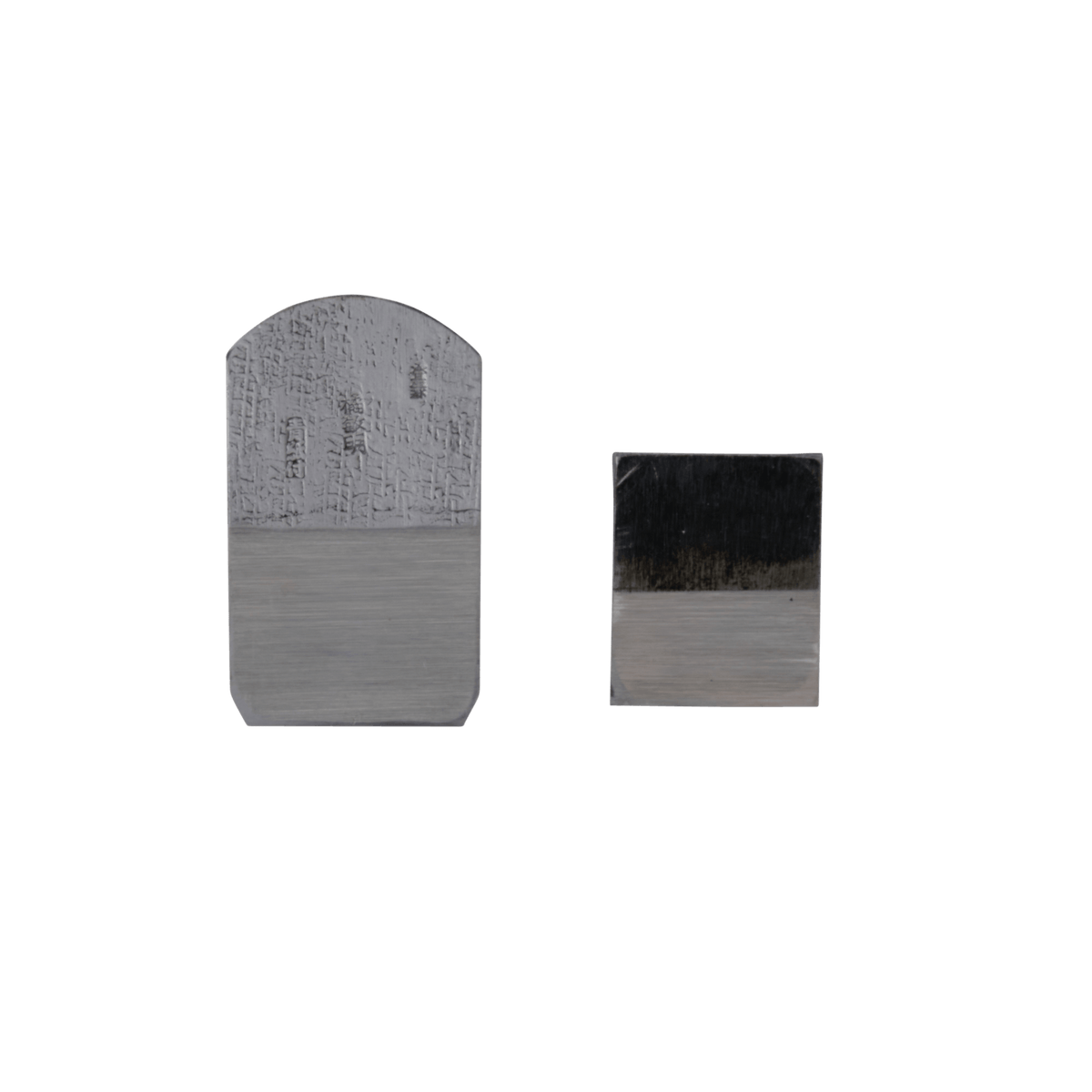
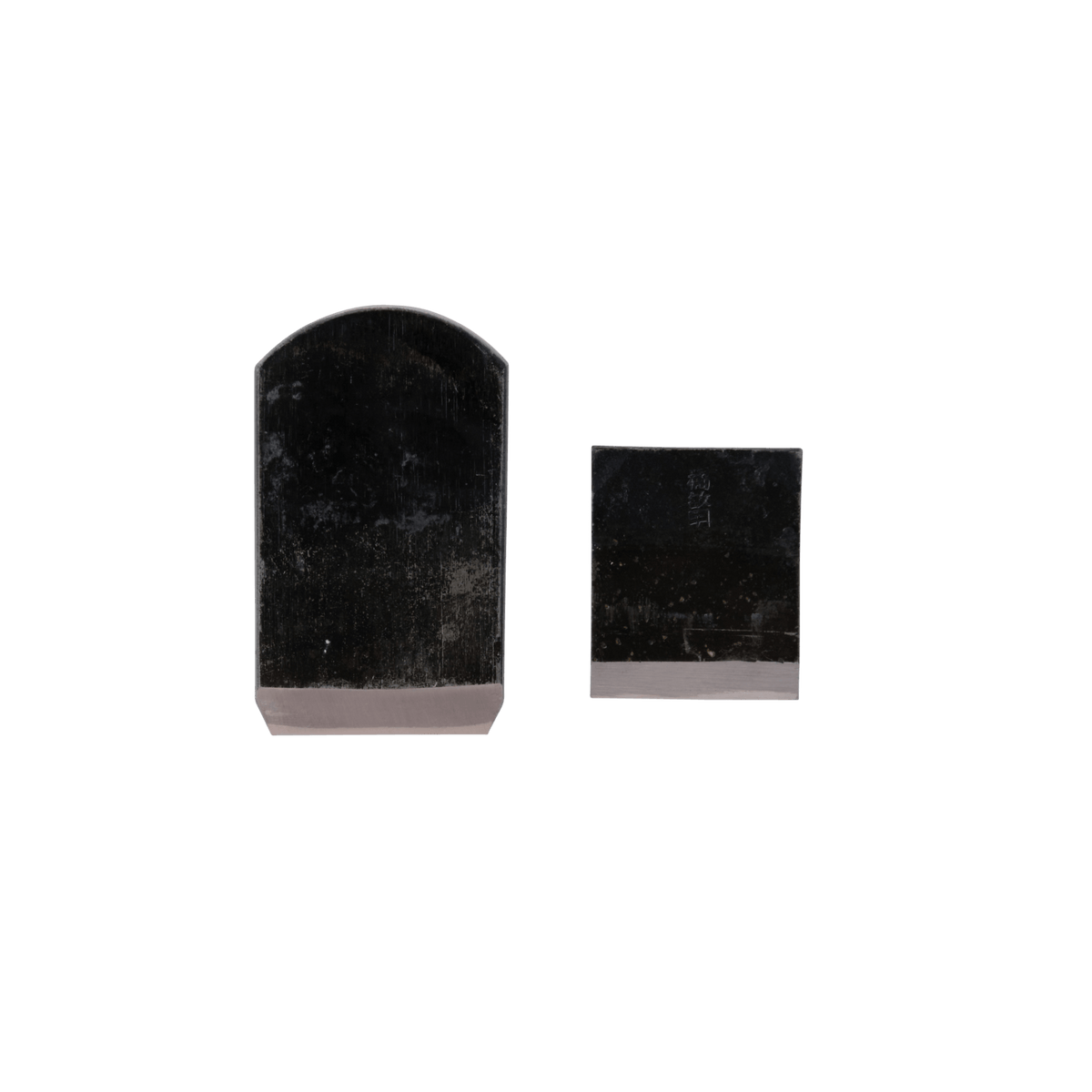
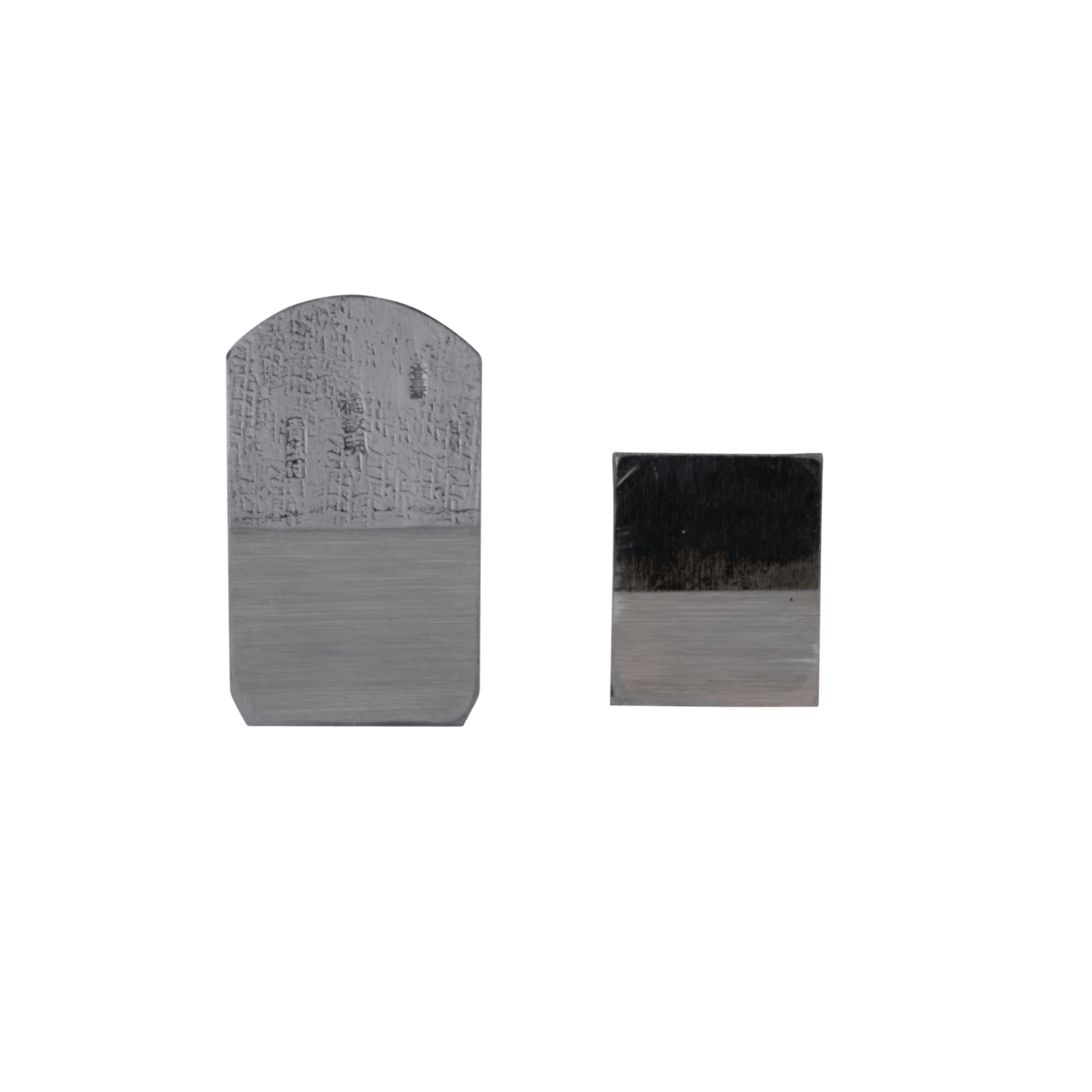
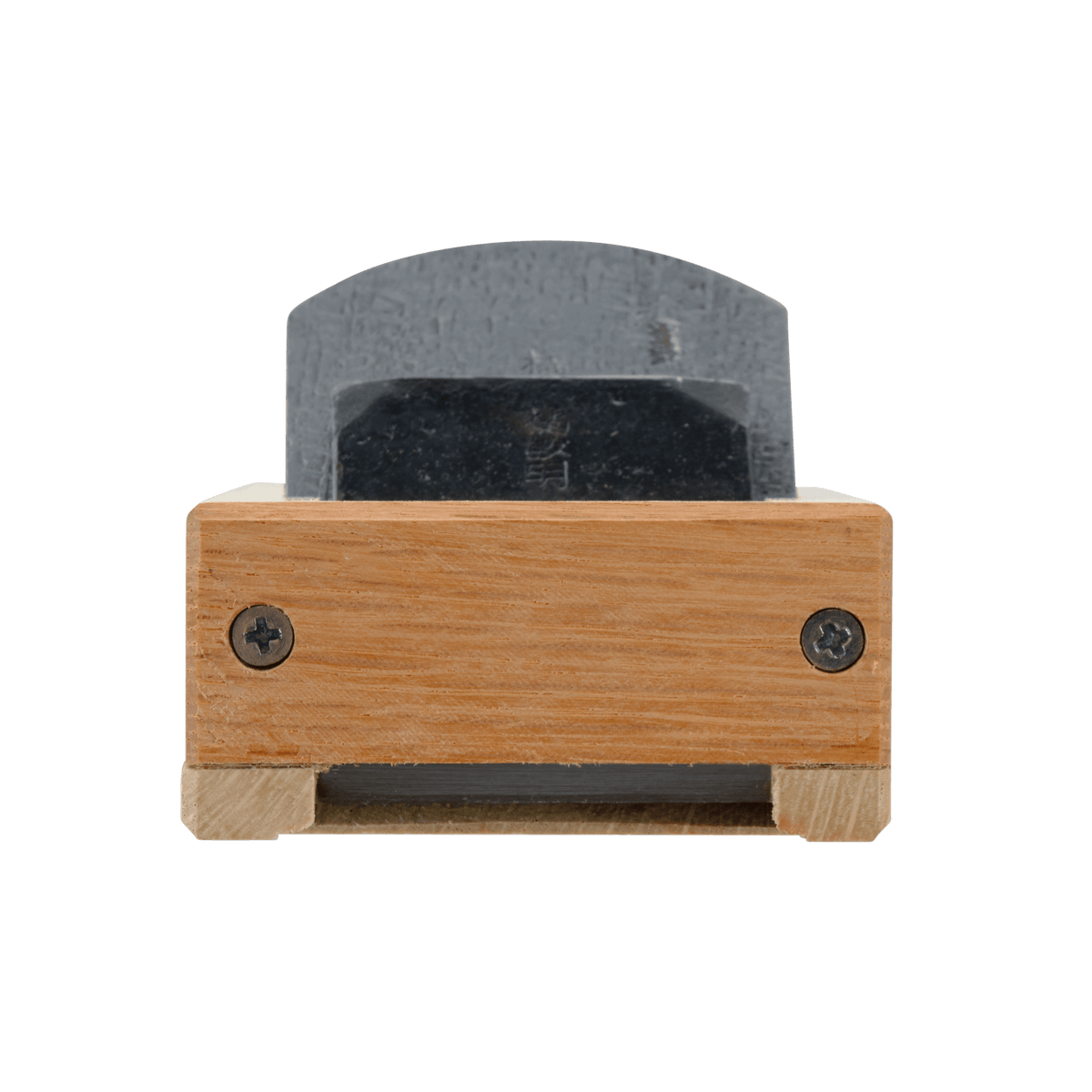
It is made with the same high quality white oak body and laminated blue paper steel blade as our other excellent Tachibana planes, however, as you might have noticed, the blade and chip breaker are oriented in the opposite direction.
It follows all of the setup requirements that you would expect with a regular kanna, with the exception that the sole requires one contact patch at each end of the block.