


Japanese hand planes
Which plane do I need?
From your first 42mm smoothing plane to hand-made 70mm kanna, plus rebate, corner and chamfer planes. Pick the job, choose the size, then compare makers and steel.
- Made in Japan
- Laminated blades
- 14-day returns

Offer
Free Ryuzo bronze hammer with any plane over $150
Every kanna is set with light hammer taps, so we’ll include Kakuri’s Ryuzo 225g hammer free with any plane $150 or over. Tap “Add + hammer” and it goes in your cart at no charge.
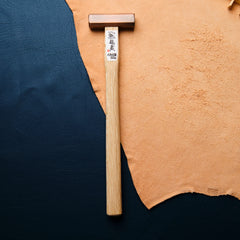
Ryuzo Bronze Hakkaku Hammer 225g
$62 Free
Step 1 · Choose a type
What do you want to plane?
Japanese planes (kanna) are made for specific jobs. Most woodworkers start with a smoothing plane, then add a small plane or a rebate plane as projects demand.
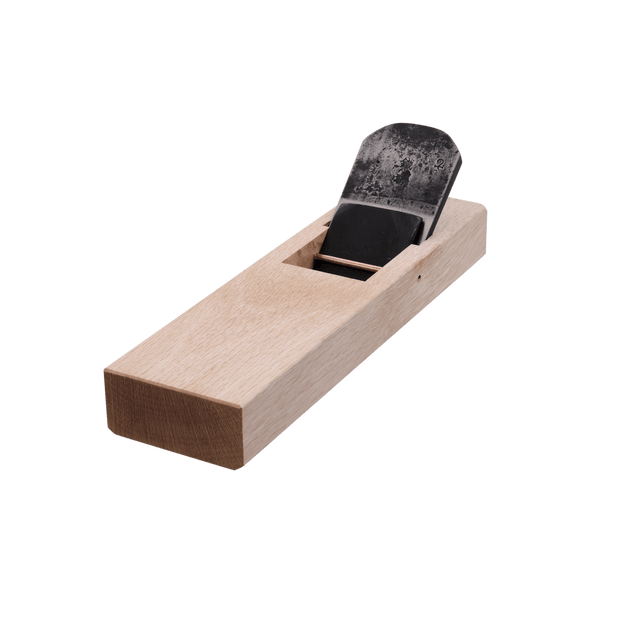
Smoothing plane 平鉋
Hira-kanna · the flat plane
Flattens and finishes faces and edges, straight from the plane. With a chipbreaker it cuts cleanly with or against the grain. The first plane to own.
Blades from 30mm to 70mm
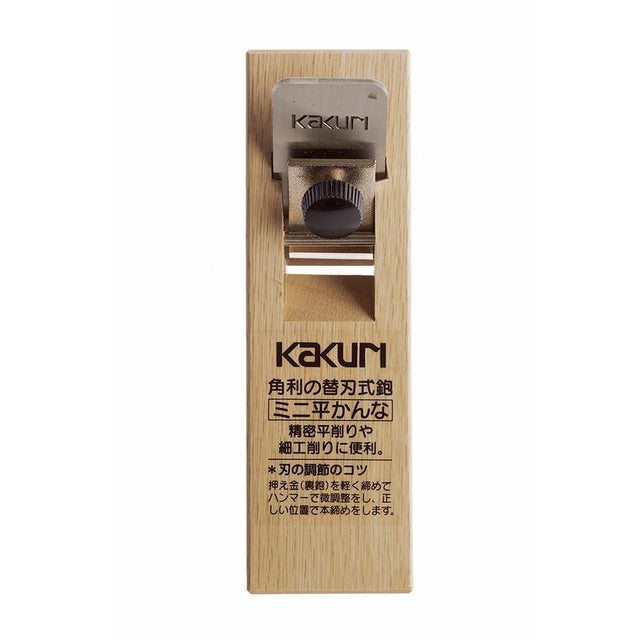
Small plane 豆鉋
Mame-kanna · one-handed
A compact flat plane for fine detail, small parts and chamfers. Easy to control and quick to tune, so it’s a great way to learn the basics.
Blades from 36mm to 48mm
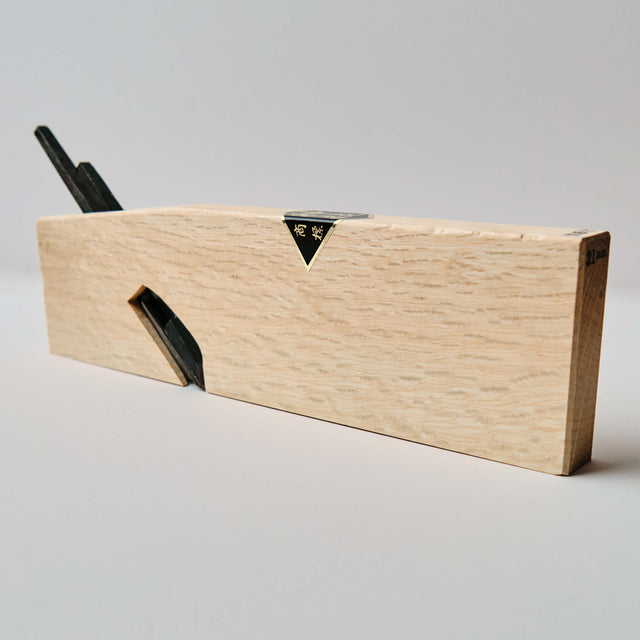
Build a mini ebony plane set →Rebate plane 決り鉋
Shakuri-kanna · grooves and rebates
The blade runs right to the side of the body, so it cuts rebates and grooves of a consistent width you would otherwise chop out with a chisel.
15mm to 42mm, left and right handed
Corner plane 隅突鉋
Sumitsuki-kanna · bullnose
The blade sits right at the front of the body, so you can plane up into corners and stopped rebates where a normal plane can’t reach.
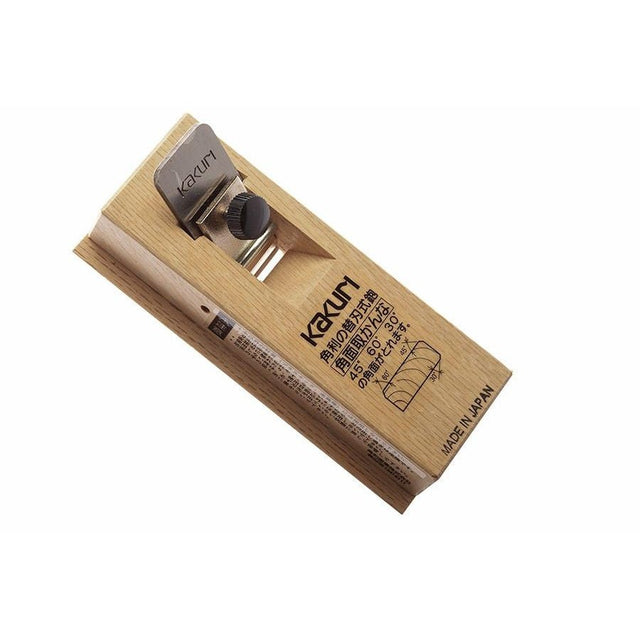
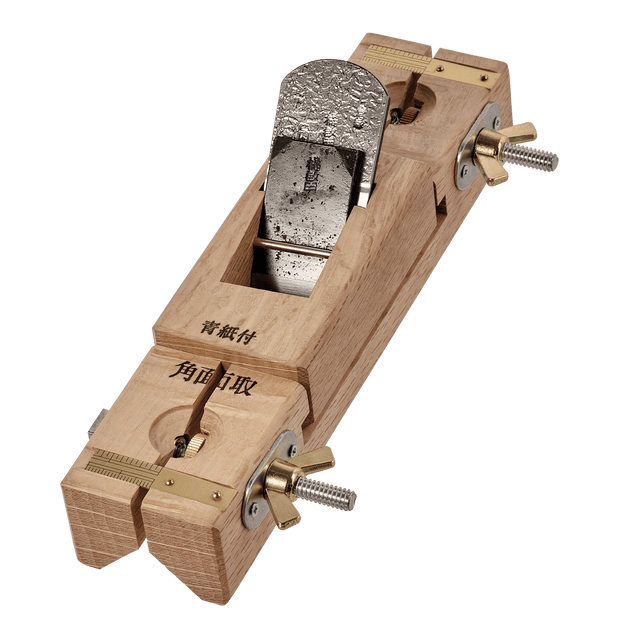
Chamfer plane 面取鉋
Mentori-kanna · even chamfers
A built-in guide registers on the corner of the work, so every chamfer comes out even. Kakuri’s adjustable version sets 30°, 45° and 60°.
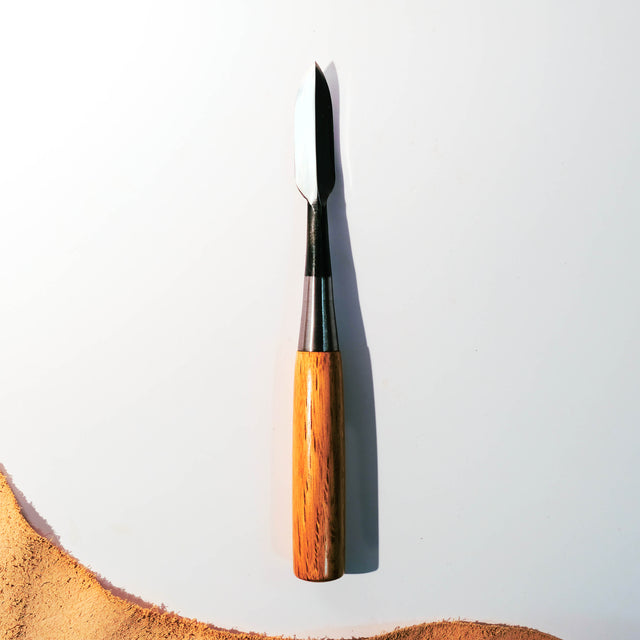
Curves 南京鉋
Spokeshaves and spear planes
For shaping curves, spindles and chair parts that a flat sole can’t follow.
30mm and 36mm spokeshaves
Step 2 · Pick your plane
Every plane, by type, size and maker
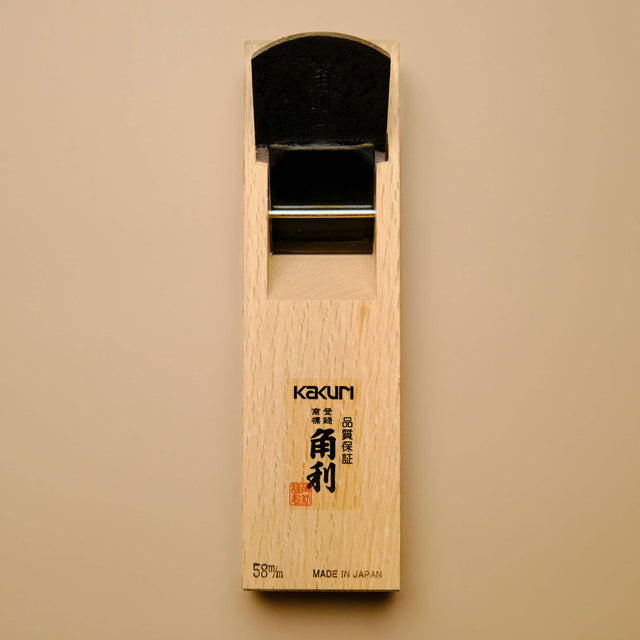
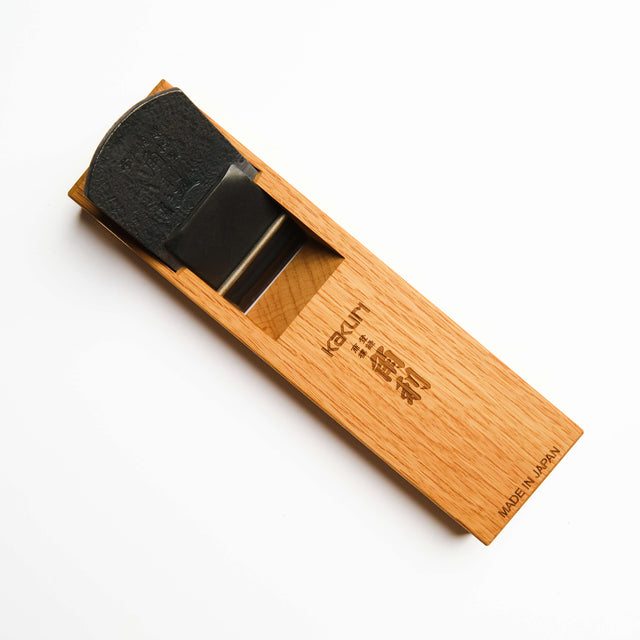
Kakuri · Sanjo, Niigata
Premium Smoothing Plane - 58mm, Aogami Blade
- 58mm blade
- Aogami (blue paper steel)
$139
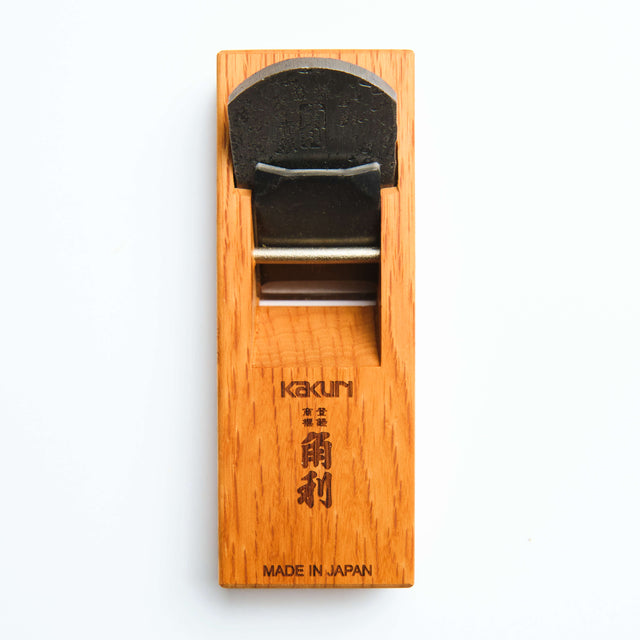
Kakuri · Sanjo, Niigata
Premium Smoothing Plane - 36mm, Aogami Blade
- 36mm blade
- Aogami (blue paper steel)
$85
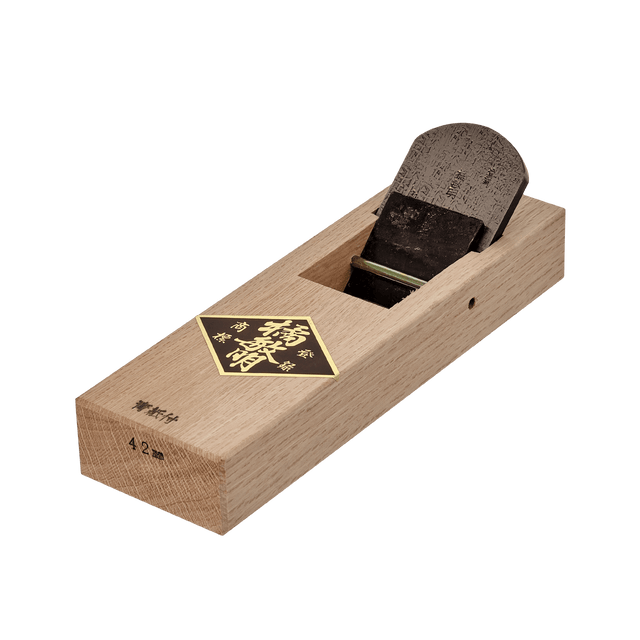
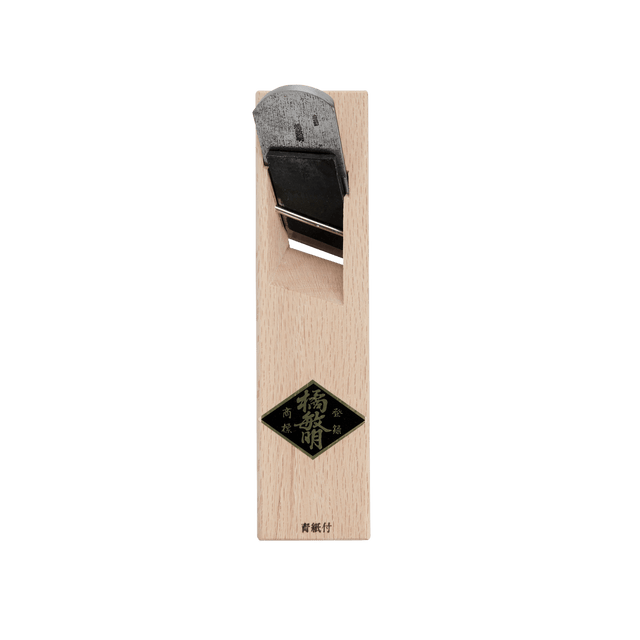
Tachibana · Japan
Tachibana 42mm Plane - Aogami (Blue Paper Steel)
- 42mm blade
- Aogami (blue paper steel)
5.0 (2)
$172
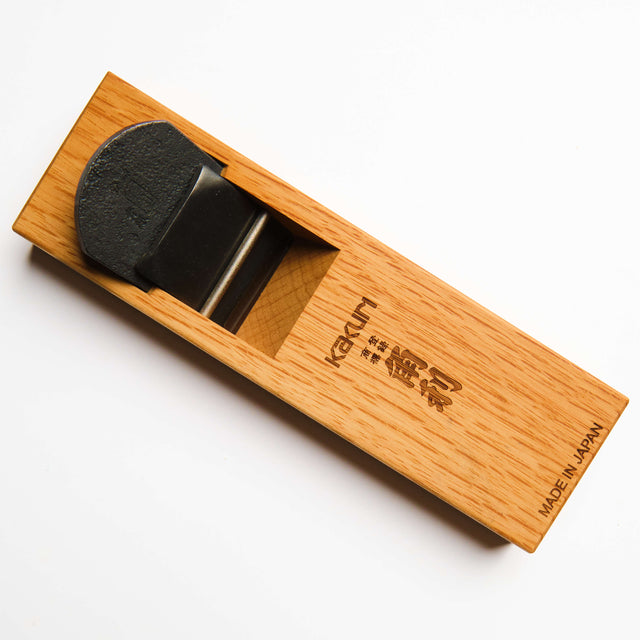
Kakuri · Sanjo, Niigata
Premium Smoothing Plane - 48mm, Aogami Blade
- 48mm blade
- Aogami (blue paper steel)
5.0 (1)
$119
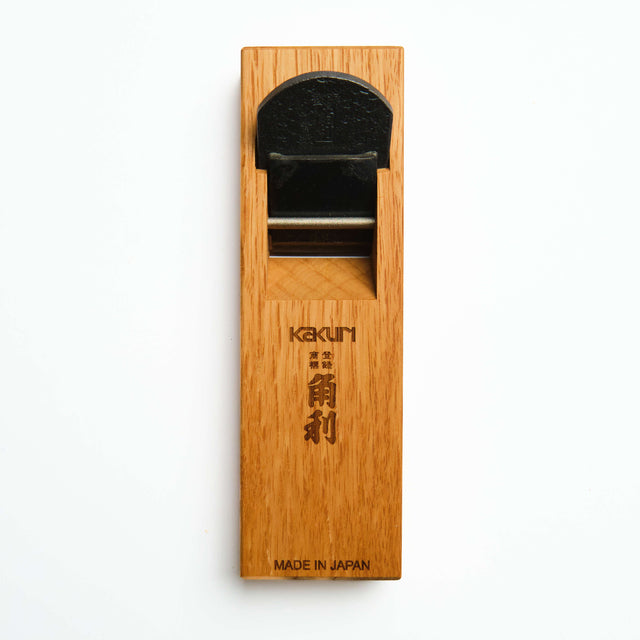
Kakuri · Sanjo, Niigata
Premium Smoothing Plane - 42mm, Aogami Blade
- 42mm blade
- Aogami (blue paper steel)
$98
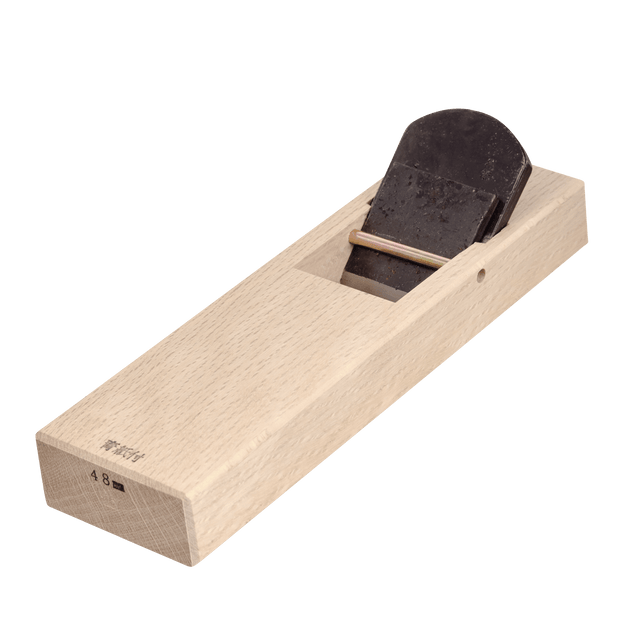
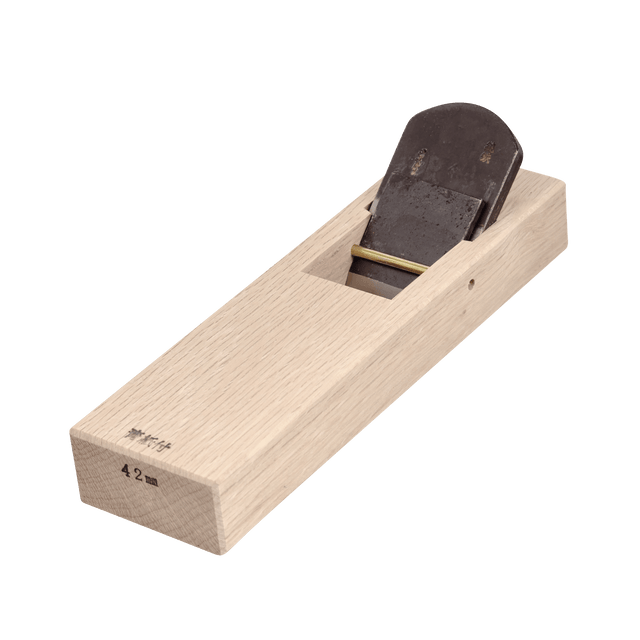
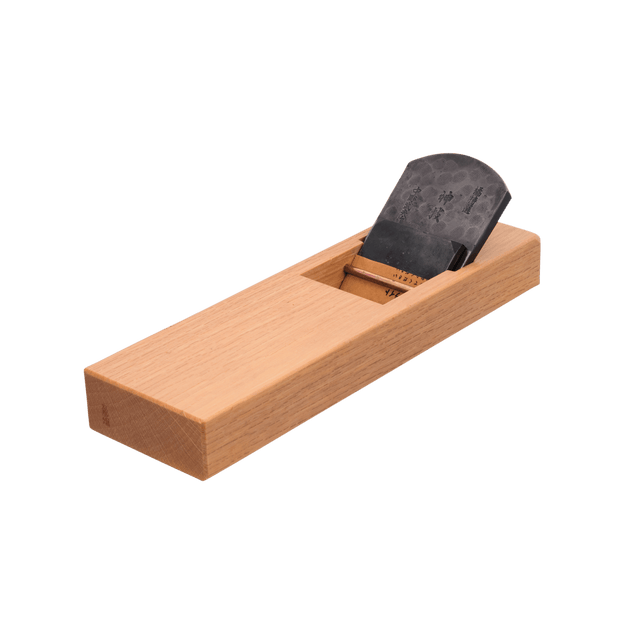
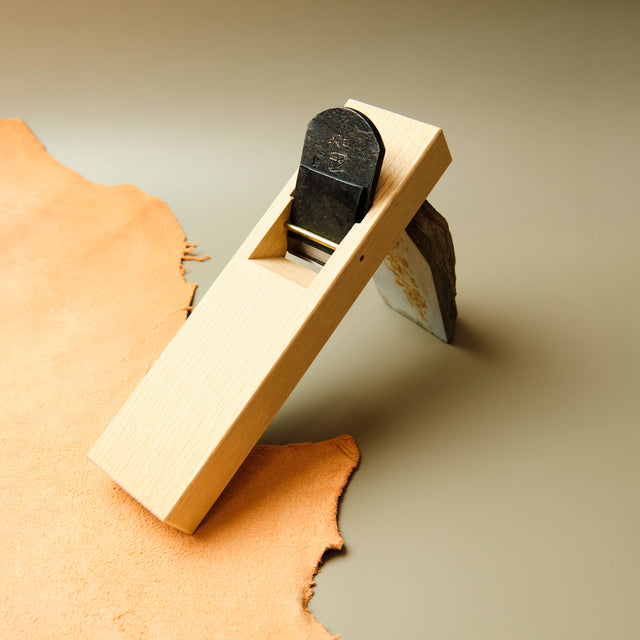
Kamiwaza · Sanjo, Niigata
Kamiwaza Smoothing Plane - Aogami #1, 70mm
- 70mm blade
- Aogami #1
5.0 (1)
$629
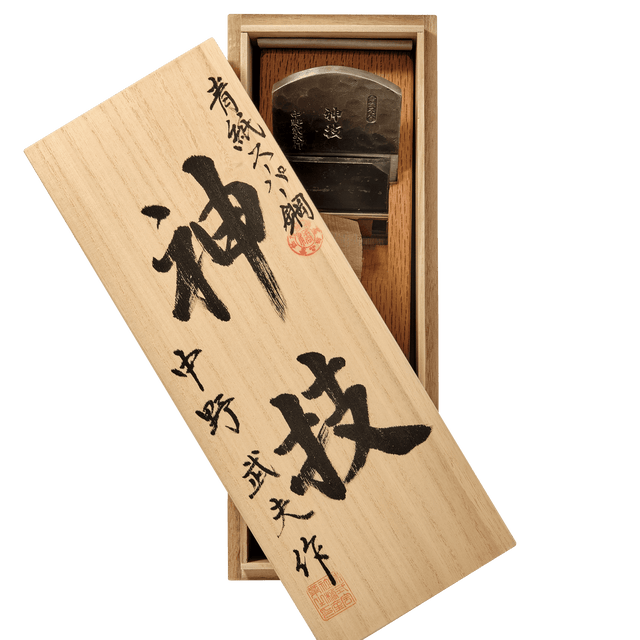
Kamiwaza · Sanjo, Niigata
Kamiwaza Kanna (Aogami Super) - 70mm in Paulownia box
- 70mm blade
- Aogami Super
$792
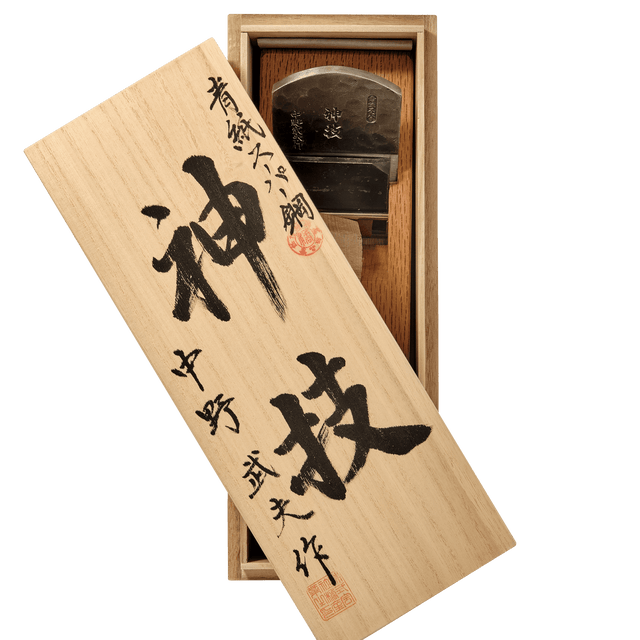
Kamiwaza · Sanjo, Niigata
Kamiwaza Kanna (Aogami Super) - 65mm in Paulownia Box
- 65mm blade
- Aogami Super
$720
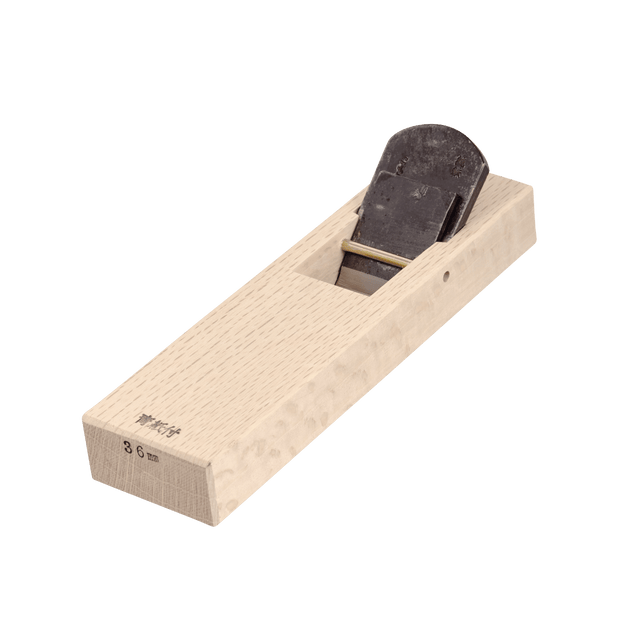
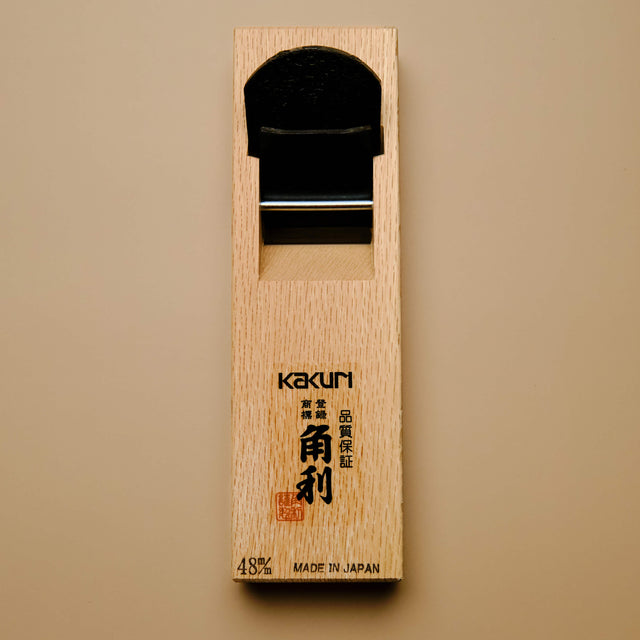
Kamiwaza · Sanjo, Niigata
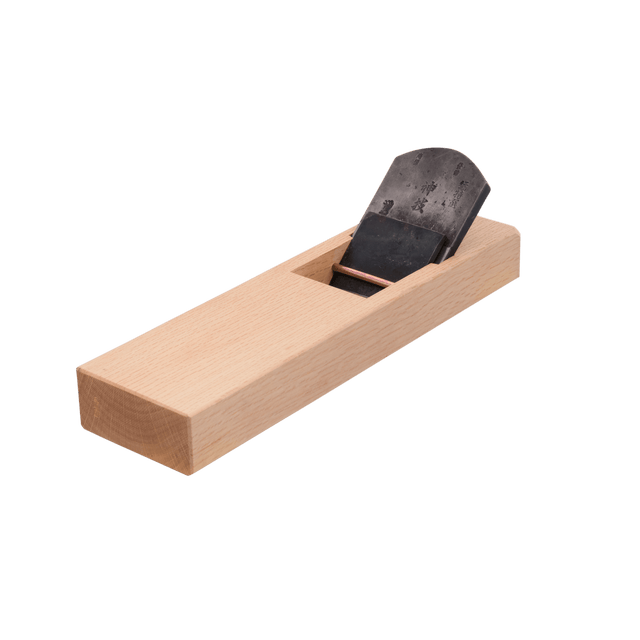
Kamiwaza Smoothing Plane - Aogami #1, 65mm
- 65mm blade
- Aogami #1
5.0 (1)
$585
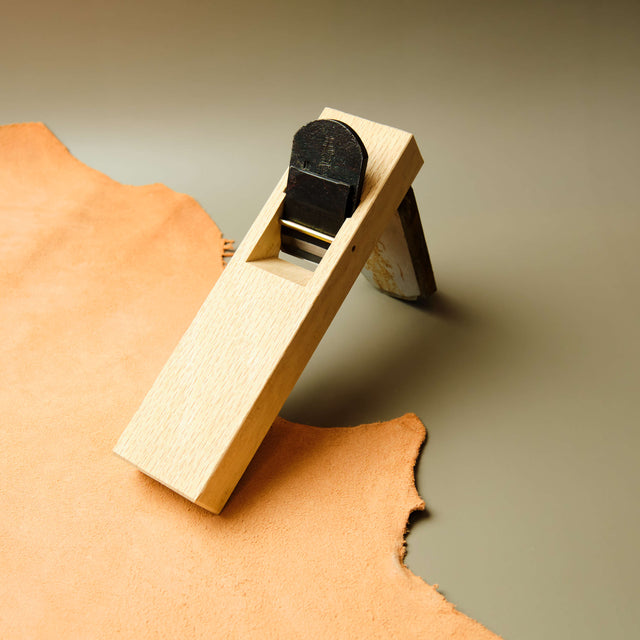

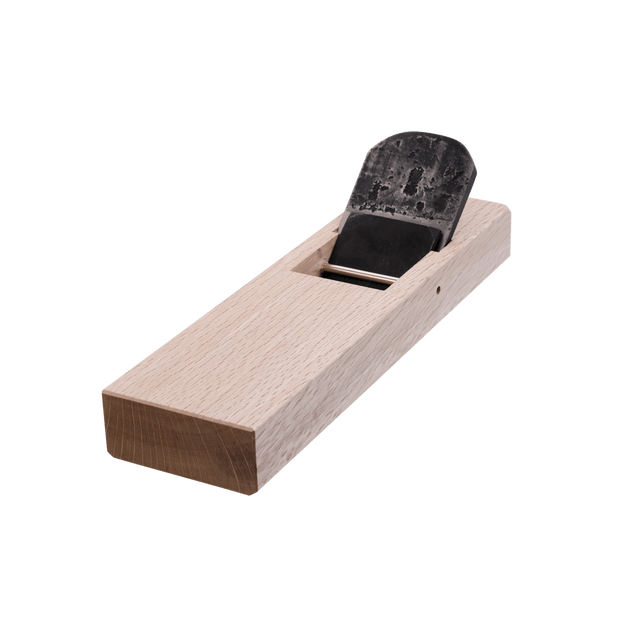
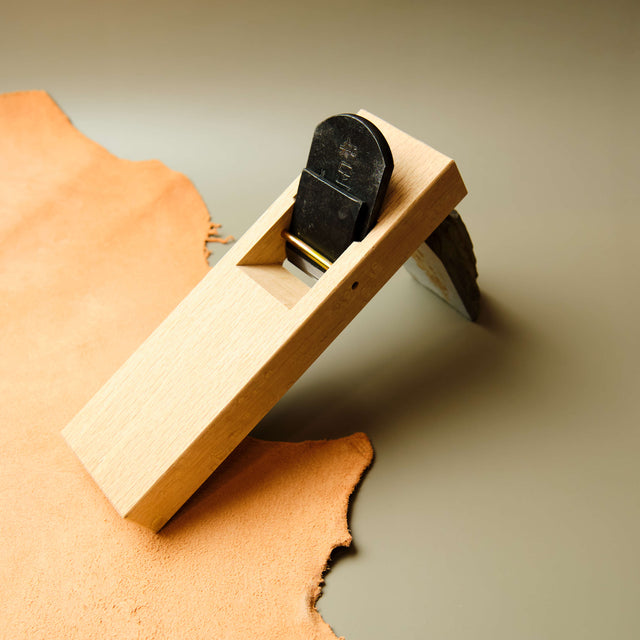
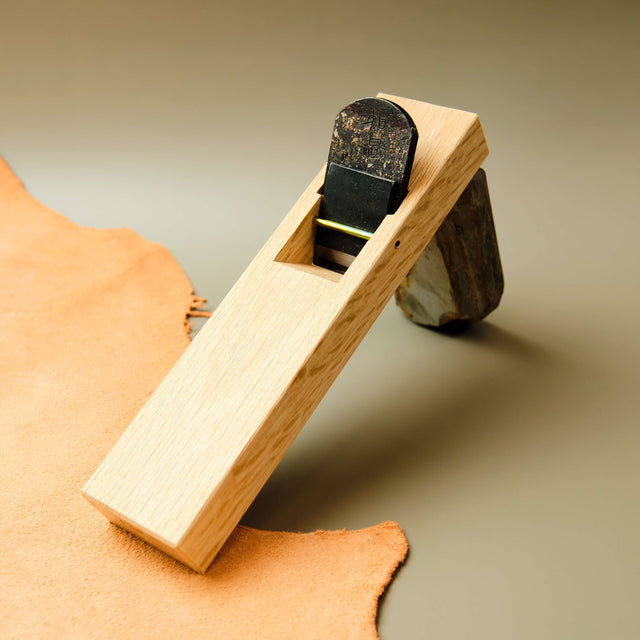
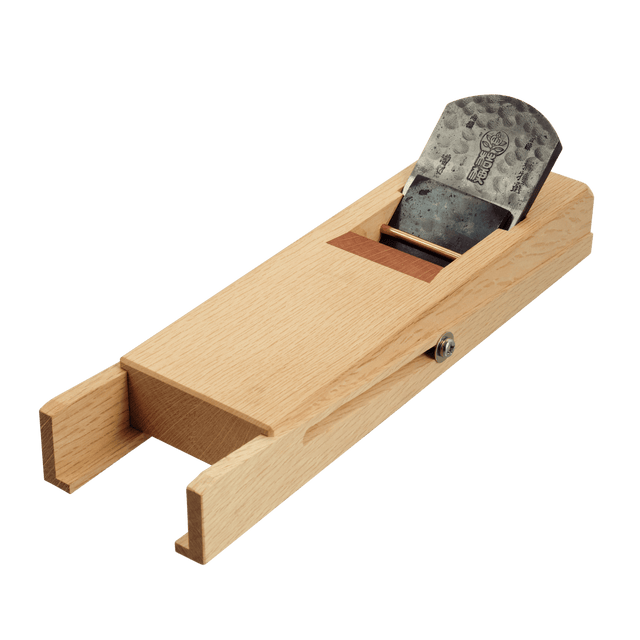
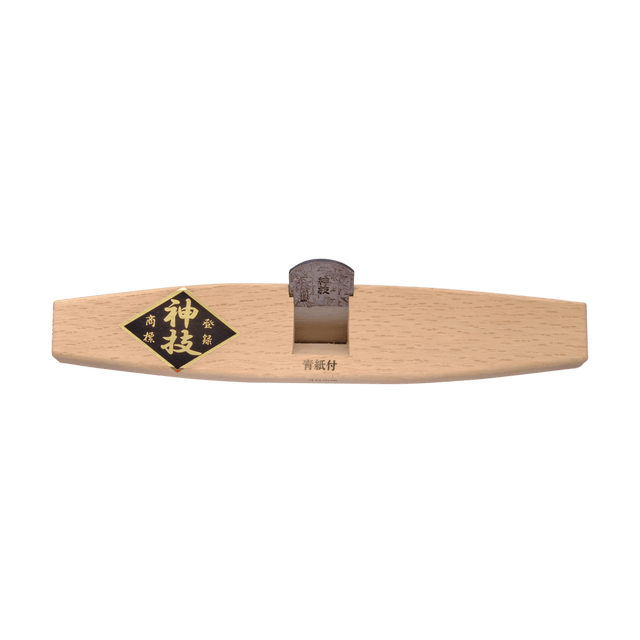
Kamiwaza · Sanjo, Niigata
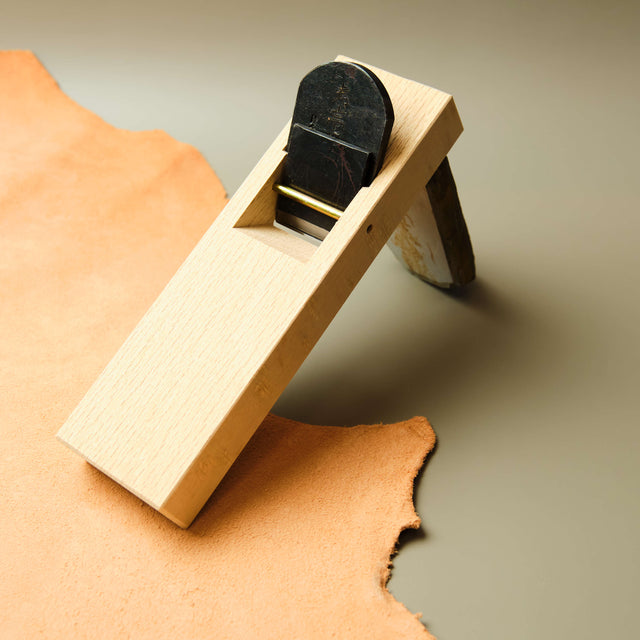
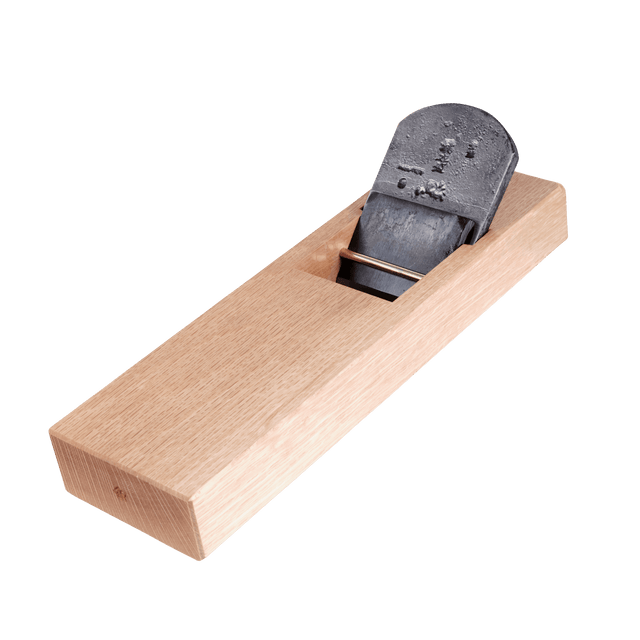
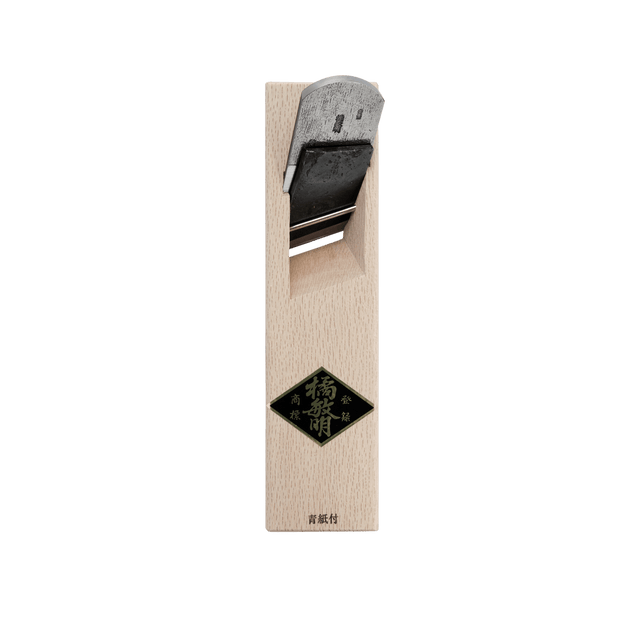
Kamiwaza Spoke Shave - 30mm, Blue Paper Steel
- 30mm blade
- Aogami (blue paper steel)
$231
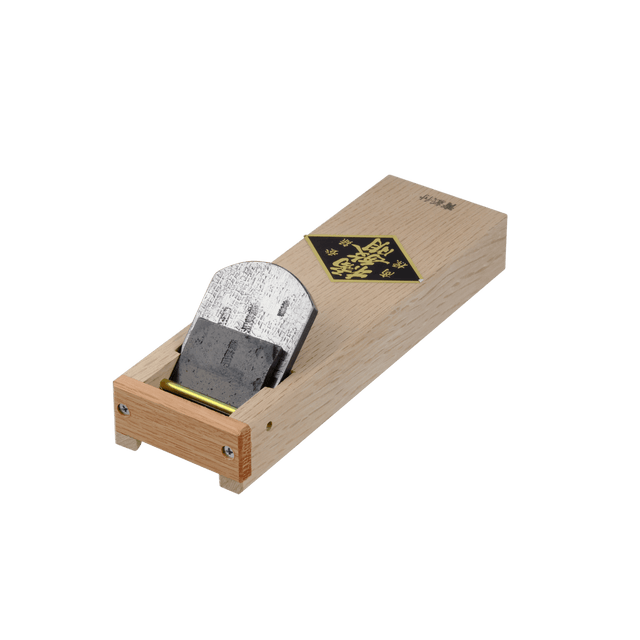
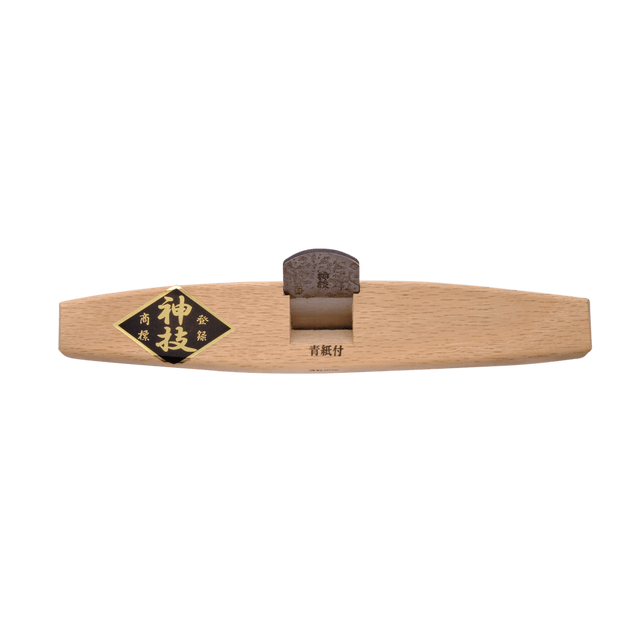
Kamiwaza · Sanjo, Niigata
Kamiwaza Spoke Shave - 36mm, Blue Paper Steel
- 36mm blade
- Aogami (blue paper steel)
$239
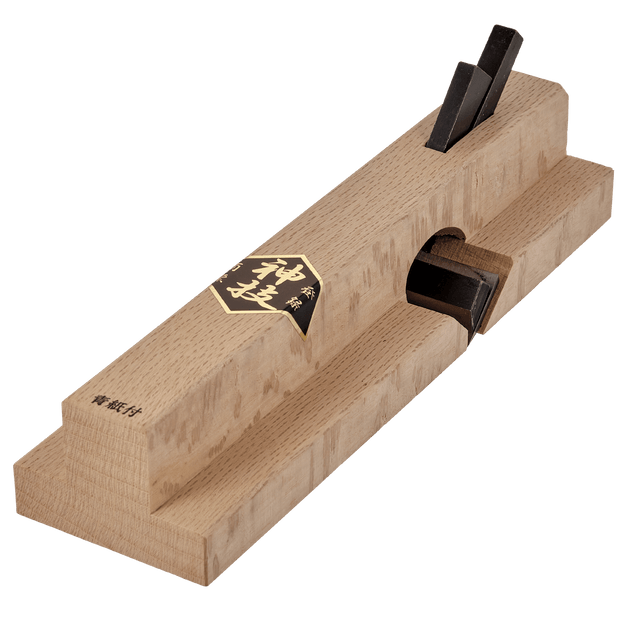
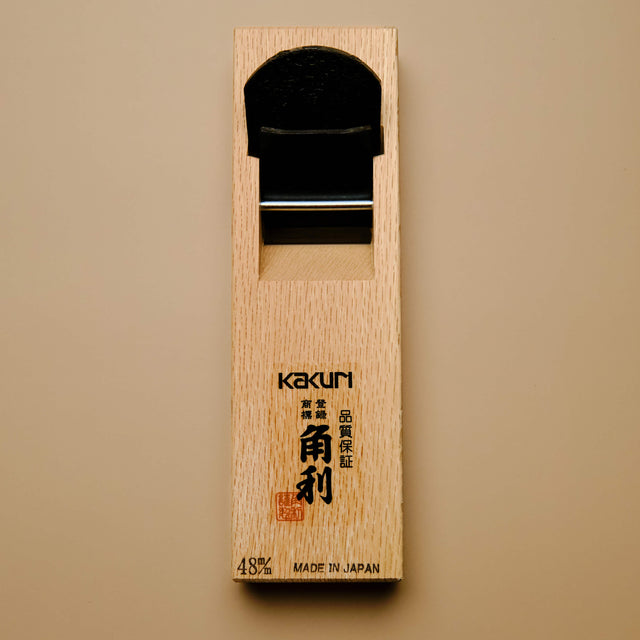
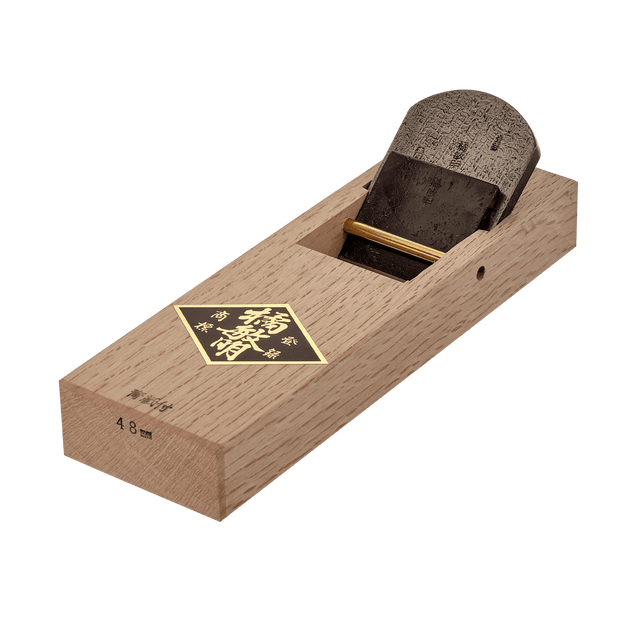
Tachibana · Japan
Tachibana 48mm Plane - Aogami (Blue Paper Steel)
- 48mm blade
- Aogami (blue paper steel)
5.0 (3)
Sold out
View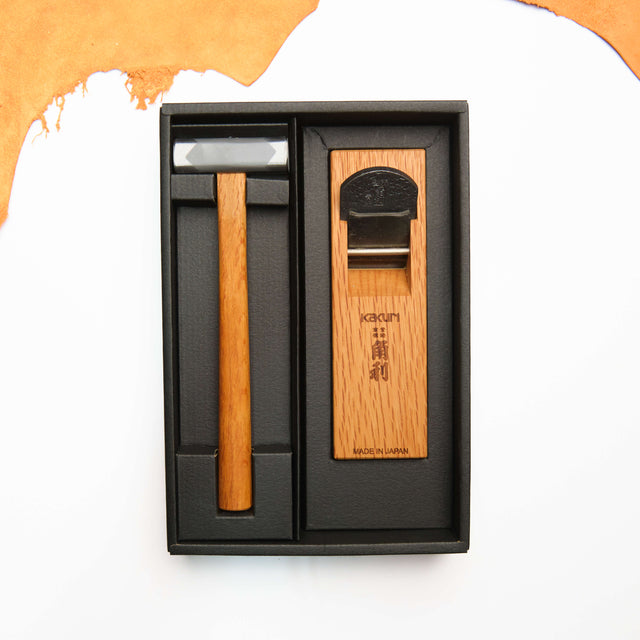
Tachibana · Japan
Tachibana Mentori Kanna - Aogami (Blue Paper Steel)
- Aogami (blue paper steel)
5.0 (1)
Sold out
View


No planes match that combination.
Size guide
Which size of plane?
Blade width is the main choice for a smoothing plane. Here’s how our sizes compare to Western planes.
| Blade width | Think of it as | Best for | Shop |
|---|---|---|---|
| 30–42mm | A block plane | Detail work, chamfers, small parts and learning to tune. Kakuri’s 42mm is our favourite all-rounder. | |
| 48–54mm | A jack or smoothing plane | The adaptable middle size: set it up to smooth, or give the blade more curve for faster stock removal. | |
| 58mm | A No.4 smoothing plane | The classic smoother for boards and panels, with dimensions close to a Stanley-pattern No.4. | |
| 64–70mm | A wide finishing plane | Finishing large flat surfaces like tabletops. Mostly hand-made planes from master makers. |
Tip: choose a blade slightly wider than the work you usually plane, so you can cover it in one pass. New to planes? Start compact: a smaller plane is easier to control and to tune.
The makers
Our plane makers, compared
From Kakuri’s everyday planes to hand-made kanna from master makers.
| Maker | Made in | Blade steel | From | Character | Shop |
|---|---|---|---|---|---|
| Kakuri | Sanjo, Niigata | Laminated steel; Premium range in Aogami | – | Founded in 1946 in Sanjo. Well-made, affordable planes, and where most woodworkers start. | |
| Tachibana | Japan | Aogami (blue paper steel), Aogami #1 | – | Traditional kanna with the widest range of specialty planes: rebate, corner, chamfer and mame planes. | |
| Kamiwaza | Sanjo, Niigata | Aogami #1, Aogami Super | – | “Divine technique”: planes and spokeshaves from one of Japan’s oldest blacksmithing towns. | |
| Yamamoto-san | Japan | Aogami | – | Hand-made Tesshinsai and Hikoroku kanna for fine finishing. | |
| Mizuno-san | Japan | – | – | Compact, hand-made chizoku hiraganna in 42, 48 and 54mm. | |
| Michio | Japan | Aogami #1 | – | A 70mm kanna with an adjustable mouth, for the finest shavings. |
Setting up
A little setup, then a lifetime of shavings
Japanese planes are left slightly tight so you can fit the blade to the body where you’ll use it. It’s simple, it teaches you how the plane works, and you’ll need a small hammer to do it.
-
01
Flatten the back
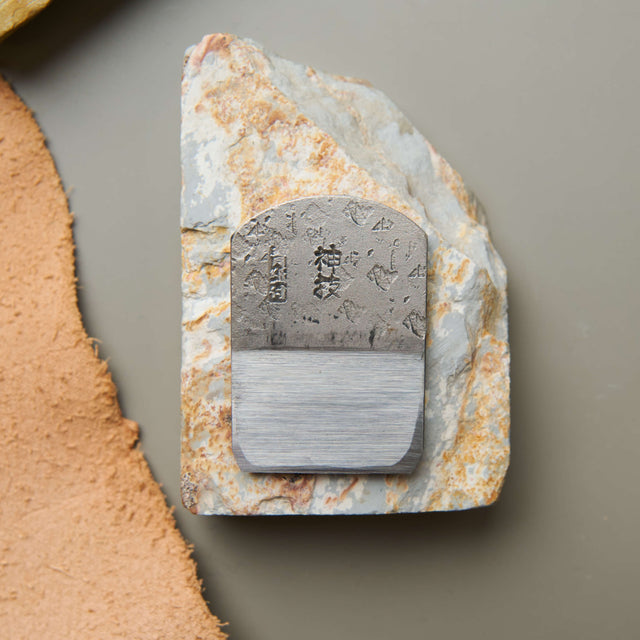
Work the area just behind the cutting edge on a #1000 stone until it is evenly flat. There’s no need to flatten the whole back.
-
02
Sharpen the bevel
Hold the angle steady, use the whole stone, then refine the edge through finer grits.
-
03
Seat the blade
Pencil the blade, tap it in, and pare only the marked high spots until the edge reaches the mouth. Take off too little rather than too much.
-
04
Set it with a hammer
Light taps on the head of the blade deepen the cut; a tap on the back of the dai backs it off. Set the chipbreaker 0.2–0.5mm behind the edge.
Questions
Do Japanese planes need setting up?
Yes, a little. Japanese planes are deliberately fitted tight so you can adjust the wooden body (the dai) to the blade in your own climate. Expect an hour or two the first time; after that it’s quick. Our tuning guide and printable instructions walk you through it.
Why are Japanese planes pulled?
Kanna are pulled towards you rather than pushed. The pull stroke gives excellent control and, once you have the knack, an exceptionally smooth finish.
What does the chipbreaker do?
The second blade sits just behind the main blade and stops the timber tearing out, especially against the grain. That’s why double-blade planes are the standard and much more forgiving while you learn.
What is Aogami steel?
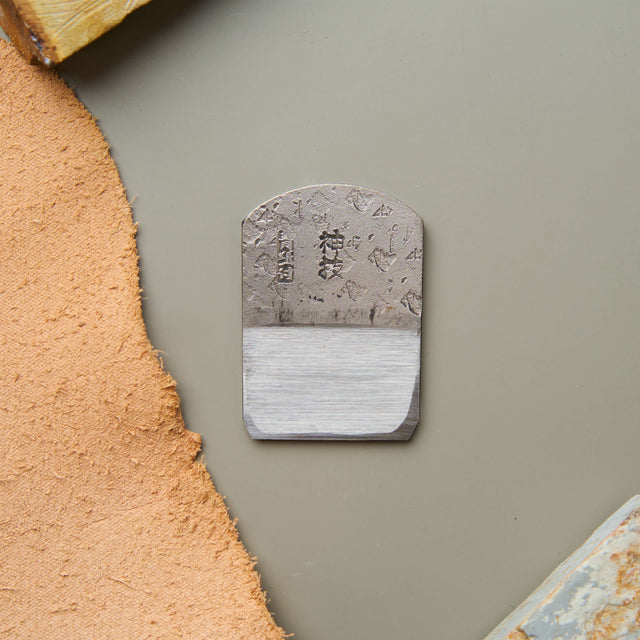
Aogami, or blue paper steel, is a high-carbon Japanese steel that takes a very keen edge and holds it well. Japanese blades laminate this hard steel to a softer iron back, so they sharpen easily without giving up edge life.
How does the free hammer work?
Any plane $150 or over shows “+ Free hammer”. Tap “Add + hammer” and the Ryuzo 225g hammer goes into your cart with the plane, then the discount makes it free at checkout. One free hammer per order.
Shipping and returns
Orders placed before 12pm are dispatched the same day from Sydney, and shipping is free over $200. If you’re not happy, you can return it within 14 days.
Not sure which plane suits your work?
Call us on 02 9527 3870 or visit our Sydney showroom to try one.